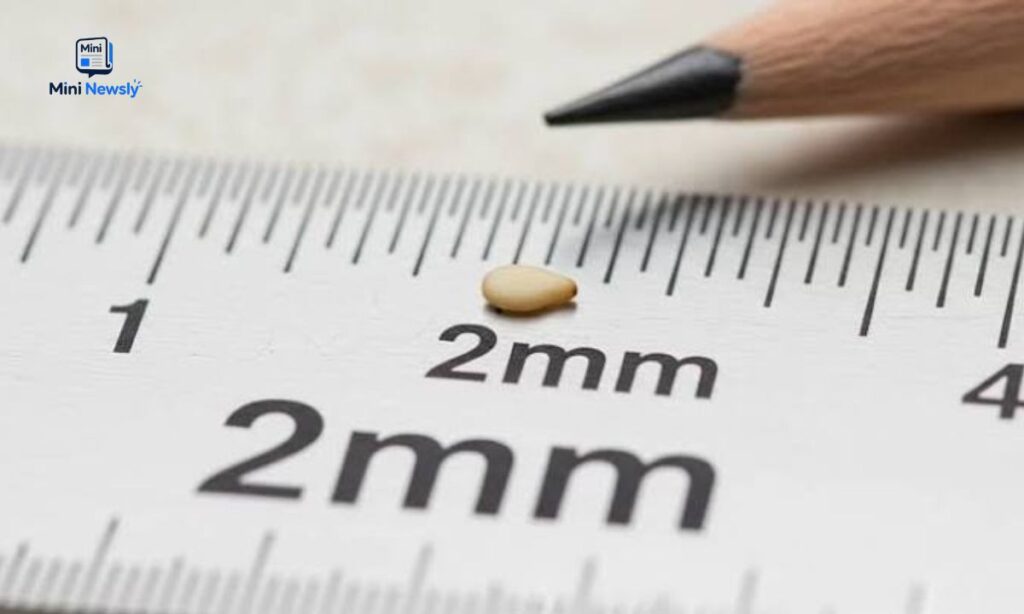
If you have ever stared at a product listing and wondered what does 2mm look like, you are not alone. Millimeters are tiny, and most of us do not carry a ruler around in our pocket. So when a size chart says something is 2mm, it is easy to feel a little lost.
This guide answers how big is 2mm using objects you already have at home. No fancy tools needed. Just simple comparisons that make sense the moment you see them.
By the end of this article, you will know exactly how big is 2mm in real life, how it compares to inches and centimeters, and how to estimate it without a ruler. We will also walk through common 2mm objects like seeds, pencil leads, jewelry beads, screws, wires, craft foam, and watch parts.
10 Common Things That Are 2mm Big
When people ask how big is 2mm, the fastest way to explain it is with things they already know. A sesame seed, a pencil tip, a tiny screw, these are all objects most of us have touched at some point.
Below, we will go through ten everyday items that measure close to 2mm. Each one gives you a slightly different way to picture the size, since 2mm shows up in round beads, flat foam sheets, thin wires, and small mechanical parts alike.
Think of this list as a toolkit. The next time you need a quick 2mm visual reference, you can picture a sesame seed or a mustard seed instead of trying to imagine a number on a screen.
How Big Is 2mm?
To answer it plainly, 2mm equals 0.078 inches and 0.2 centimeters. That is less than a tenth of an inch, which is why it is so easy to underestimate.
A 2mm measurement sits between very fine details, like a strand of hair, and slightly larger items, like a small button. It is small enough to miss if you are not looking closely, but large enough to see clearly once you know where to look.
People run into this 2mm size most often when shopping for jewelry parts, phone screws, sewing needles, or craft supplies. Knowing this millimeter size ahead of time saves you from ordering the wrong part or the wrong bead.
Here is a quick way to picture 2 millimeters. Take a standard pencil and look at the very tip of the sharpened point. That tiny flat circle at the very end is close to 2mm wide, and it gives you a real object to compare against.
Ways to Estimate 2mm Without a Ruler
You do not always have a ruler on hand, and that is fine. There are a few simple tricks that let you estimate 2mm without a ruler using things you probably already have nearby.
These methods will not be perfectly exact, but they get you close enough for most everyday situations, like checking if a screw will fit or if a bead is the right size for a bracelet.
Using Your Fingers
Look at your fingernail and picture cutting a thin sliver off the edge. That sliver is roughly 2mm wide, which makes your own fingernail a handy built in ruler.
This trick works well because your hands are always with you. Next time you need a rough guide for how to estimate 2mm, just glance down at your nail.
It will not replace an actual measuring tool for anything precise, like a repair job. But for a quick gut check while shopping online, it works surprisingly well.
Using Coins or Cards
Two credit cards stacked on top of each other come close to 2mm in total thickness. Most people have a card sitting in their wallet right now, which makes this one of the easiest comparisons to test at home.
You can also compare it to the thickness of a coin. A single coin edge on its own is thinner than 2mm, but stacking two together gets you close to the mark.
This method is popular because cards and coins are common household items. It turns an abstract number into something you can literally hold in your hand.
Using Common Small Objects
Seeds, beads, and pencil tips are some of the best everyday objects for this kind of comparison. A sesame seed, a mustard seed, or a small screw head can all sit near the 2mm mark, depending on the exact item.
The trick is to keep a small object nearby that you already trust as a reference. Once you know that a certain bead or seed is close to 2mm, you can compare other things against it without pulling out a ruler every time.
This is especially useful for visual size comparison when you are working on crafts or jewelry and need a fast, reliable gut check.
Quick Comparison Table
Numbers on their own can be hard to picture, so here is a size comparison table using the items covered in this guide. Keep in mind these are approximate values, since natural items like seeds vary slightly from piece to piece.
| Common Item | Approximate Size |
| Sesame Seed Length | About 3mm to 4mm (close cousins sit near 2mm) |
| Pencil Lead Width | About 0.5mm to 2mm depending on the pencil |
| Small Jewelry Bead | About 2mm diameter for seed beads |
| Grain of Rock Salt | About 1mm to 3mm |
| Mechanical Pencil Tip | About 2mm sleeve width |
| Tiny Screw Head | About 2mm for M2 screws |
| Small Mustard Seed | About 1mm to 2mm diameter |
| Earphone Wire Thickness | About 1.5mm to 2mm |
| Thin Craft Foam Sheet | About 2mm thick |
| Small Watch Gear Part | About 1mm to 2mm across |
| Small Seed Bead | About 2mm to 2.5mm |
| Small LED Light | About 2mm to 3mm diameter |
As you can see, the exact figures shift a little depending on the object. That variation is normal, and it is part of why real life 2mm examples are more useful than a single flat number.
1. Sesame Seed Length

A sesame seed is one of the most familiar 2mm examples people reach for. While a full sized seed usually runs closer to 3mm or 4mm, the smaller seeds in a batch often land right around 2mm, which makes them a fair comparison.
You can find sesame seeds on almost any burger bun or bread roll. Next time you eat one, take a second to actually look at a single seed before it disappears into the bite. This is one of the easiest ways to answer how big is 2mm in real life, since sesame seeds are something almost everyone has seen up close.
2. Pencil Lead Width
Pencil lead comes in different widths, and thicker drawing pencils often use lead close to 2mm across. This is noticeably wider than the thin 0.5mm or 0.7mm lead used in most mechanical pencils.
Pencil lead width is a helpful reference because artists and students already handle pencils every day. If you own a chunky sketching pencil, look closely at the tip the next time you sharpen it.
This comparison also shows how much of a difference a couple millimeters can make. A 2mm lead feels noticeably bolder on paper than the thinner styles most people use for writing.
3. Small Jewelry Bead

Small jewelry bead sizes are one of the most practical 2mm examples for shoppers, since bead sizes are almost always listed in millimeters online. A 2mm seed bead is tiny, round, and often used in detailed bracelet patterns.
If you have ever strung beads onto thread, you know how fiddly small sizes can be. A 2mm bead usually needs a fine needle and a bit of patience to work with.
Getting this size right matters, because ordering the wrong bead size can throw off an entire jewelry pattern. Knowing what 2mm looks like ahead of time saves a lot of frustration.
Also. read this Blog: How Big Is 5mm? 10 Common Things That Are About 5mm Long
4. Grain of Rock Salt
A rock salt grain gives you a kitchen friendly way to picture small measurements. Coarse rock salt crystals vary in size, but many of the smaller pieces sit close to 2mm across.
Next time you are cooking, pour a little rock salt onto a cutting board and look at the individual grains. You will notice some are bigger and some are smaller, which is a good reminder that natural objects are never perfectly uniform.
This example works well because almost every kitchen has salt somewhere in a cabinet. It turns a quick trip to the pantry into a mini science lesson.
5. Mechanical Pencil Tip

The metal sleeve at the tip of many mechanical pencils measures close to 2mm across. This is different from the thin lead inside, which is usually much smaller.
A mechanical pencil tip is a good comparison because it is rigid and easy to inspect closely. Unlike a seed or grain, it will not roll away or crumble while you are looking at it.
If you want a steady, reliable 2mm visual reference, keep a mechanical pencil on your desk. It is one of the more consistent examples on this list.
6. Tiny Screw Head

Small electronics often use screws with heads close to 2mm, commonly labeled as M2 screws in hardware terms. You will find these inside laptops, glasses, and some watch cases.
A tiny screw head this size usually needs a precision screwdriver to remove safely. Trying to use a regular sized tool on a 2mm screw often ends in a stripped screw head and a frustrated afternoon.
This example is especially useful for anyone doing electronics repair at home. Knowing the size ahead of time means you can buy the right tool before you start taking something apart.
7. Small Mustard Seed

Mustard seed size is another kitchen based comparison that lands close to 2mm. Whole mustard seeds are small, round, and slightly firmer than many other spice seeds. If you have a jar of mustard seeds in your spice rack, shake a few onto a plate. Their round shape makes it easy to compare them side by side with something like a jewelry bead.
This comparison is popular because mustard seeds show up in so many recipes. It gives home cooks a natural, no cost way to picture how big is 2mm without buying anything new.
8. Earphone Wire Thickness
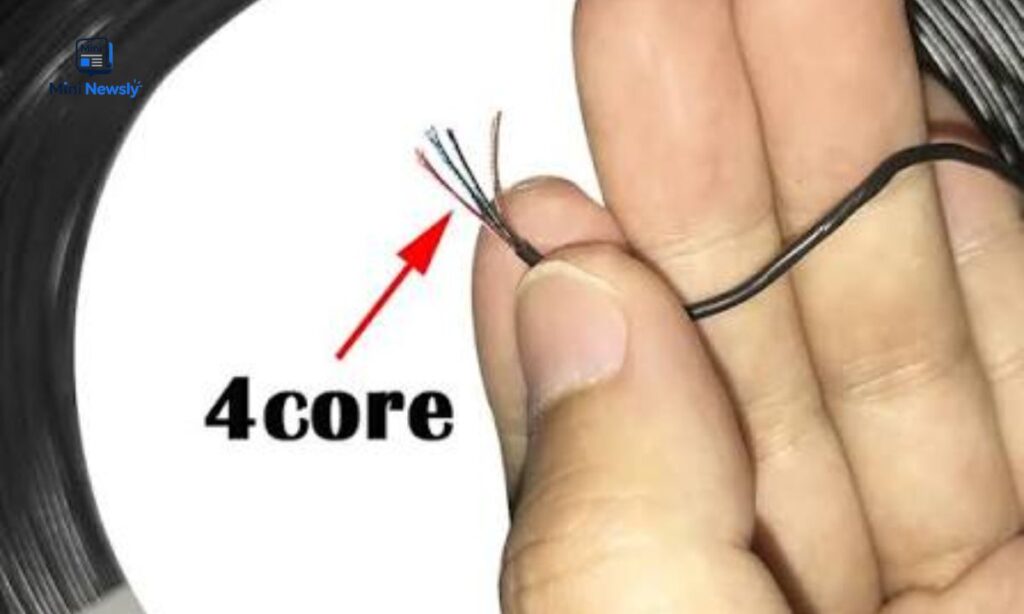
Many basic wired earbuds have cables close to 2mm thick, sometimes slightly thinner. This thickness keeps the cable flexible enough to wrap around your hand while still protecting the wires inside. Earphone wire thickness is a comparison almost everyone can test right now, since most people own a pair of wired headphones or a charging cable somewhere in a drawer.
If you want to check this yourself, hold the cable between two fingers and compare it to the width of the pencil tip mentioned earlier. The two should feel close in size.
9. Thin Craft Foam Sheet
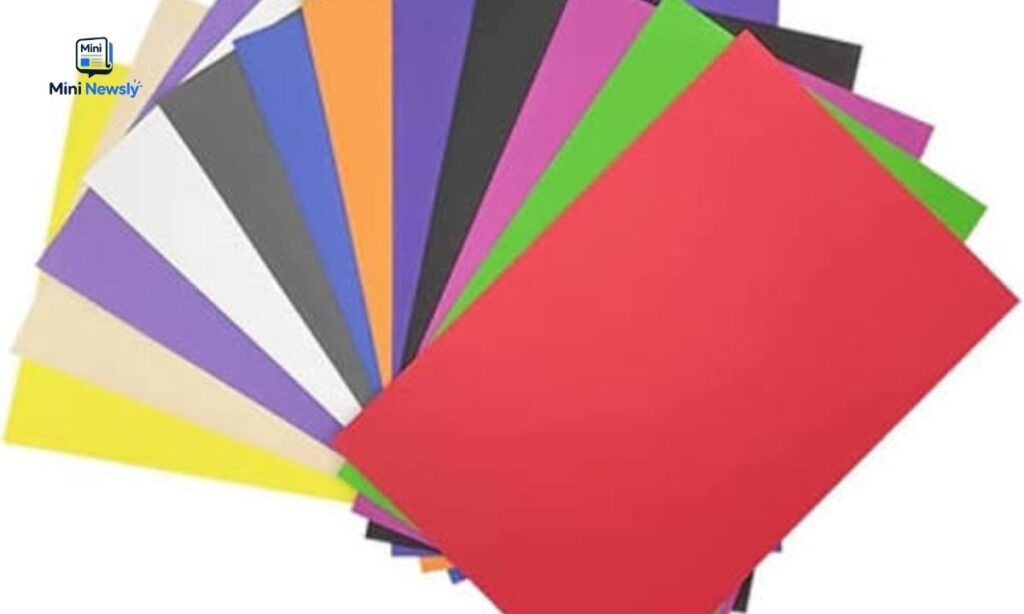
Craft foam thickness often lands around 2mm for the standard sheets sold in craft stores. These sheets are popular for school projects because they are light, soft, and easy to cut with regular scissors. If you have kids doing school crafts, there is a good chance a foam sheet like this is already sitting in a supply box at home. Pinch one between your fingers and you will feel exactly how thin 2mm really is.
This example is useful for anyone planning layered craft projects, since stacking a few 2mm sheets can quickly add up in total height.
10. Small Watch Gear Part
Inside many watches, tiny gears and moving parts measure close to 2mm across. Watchmakers work with these small pieces using magnifying tools, since the human eye alone struggles with details this fine. A small watch gear is a great reminder that 2mm sized parts are not just novelty comparisons. They play a real, functional role inside devices we use every day.
If you ever get the chance to see inside an open watch case, take a moment to notice just how small these gears are. It puts the whole idea of a 2mm measurement into perspective fast.
11. Small Seed Bead
Seed beads used in beading and embroidery often measure close to 2mm to 2.5mm across, depending on the size label. These beads are sold by number sizes, and the smaller numbers usually mean a bigger bead, which can confuse first time buyers.
If you have ever browsed a craft store beading aisle, you have likely walked past bags of these tiny beads without realizing how close they sit to the 2mm mark. They are popular for detailed patterns where larger beads would look too bulky.
This example is a good one to remember if you are shopping online for beading supplies. Checking the millimeter size listed on the package will save you from ordering beads that are too big or too small for your project.
12. Small LED Light
Some of the smallest LED lights used in electronics and hobby projects measure close to 2mm to 3mm in diameter. These tiny lights show up in things like keychains, small indicator lights, and miniature circuit boards.
A small LED light this size is easy to lose if it falls on the floor, which anyone who works with electronics has probably experienced at least once. Despite their size, they can still glow brightly enough to be seen clearly in a dark room.
This comparison is helpful for hobbyists and students working on electronics projects. Knowing that these lights sit close to 2mm helps when picking the right holder or socket size.
Why Understanding 2mm Matters
It might seem like a strange thing to care about, but small measurements like this affect daily life more than people expect. A 2mm thickness comparison can be the difference between a screw that fits and one that strips the moment you try to turn it.
Jewelry makers, electronics hobbyists, and even home cooks run into this size regularly, even if they never think about it directly. Once you start noticing 2mm objects around you, it becomes much easier to judge sizes quickly without reaching for a ruler every time.
This kind of measurement conversion knowledge also helps when shopping online. Product listings often use millimeters without much explanation, so having a mental picture of 2mm in inches and centimeters helps you avoid ordering the wrong item.
Conclusion
By now, the question of how big is 2mm should feel a lot less abstract. Whether you picture a sesame seed, a mustard seed, a tiny screw, or a thin sheet of craft foam, these everyday objects give you a real world sense of the size.
The next time a product listing throws a millimeter measurement at you, you will not need to guess. You can picture a bead, a pencil tip, or a stack of two credit cards and get a fairly accurate idea right away.
Understanding how big is 2mm is a small skill, but it comes in handy more often than you might expect, from crafting and jewelry making to quick repairs around the house.

Welcome to mininewsly.com, your trusted source for grammar tips and text meanings. I have over 4 years of experience in the grammar and text meaning niche. My goal is to provide clear, accurate, and easy-to-understand content for every reader. Thank you for visiting, and I hope my articles help you learn with confidence.