
If you have ever stared at a tiny screw or a bead and thought “how long is 6mm anyway,” you are not alone. It is one of those measurements that sounds simple on paper but is hard to picture in real life. Most people do not carry a ruler around, so a number like 6mm does not mean much until you compare it to something you already know.
That is exactly what this guide is for. We will break down how long is 6mm in inches and centimeters, then walk through ten everyday objects that are close to this size. By the end, you will be able to picture 6mm instantly, without ever touching a tape measure.
Whether you are shopping for jewelry, fixing furniture, working on a craft project, or just curious, this article covers it all. Let’s get into it.
How Big Is 6mm?
So how long is 6mm exactly? In inches, 6mm equals about 0.236 inches, which rounds to roughly a quarter of an inch. In centimeters, it comes out to 0.6cm. That is a small measurement, but it shows up in more places than you would think.
Here is a quick breakdown so you have the numbers in one place:
| Unit | Value |
| Millimeters | 6mm |
| Centimeters | 0.6cm |
| Inches | 0.236 in |
| Feet | 0.0197 ft |
When people ask how long is 6mm, they usually want a visual, not just a number. Think of it as slightly smaller than a quarter inch, or about half the width of a standard pencil. It is small enough to fit on a fingertip, but large enough to see clearly without squinting.
Everyday items around 6mm include small beads, screw heads, pencil erasers, and certain cables. Knowing this size helps a lot when you are shopping online and the listing only gives you a number in millimeters. Now let’s look at how you can measure it without any tools at all.
Quick Comparison Table
Before we go through each object one by one, here is a table that puts them side by side. This is a fast way to answer how long is 6mm without reading the whole article.
| Object | Approximate Size |
| Green pea | 6 to 8mm diameter |
| Pencil eraser width | 5 to 7mm |
| Small pearl bead | 6mm diameter |
| Standard drinking straw | 6mm inner diameter |
| Small shirt button | 6mm across |
| Earphone or AUX cable | 3.5 to 6mm thick |
| Small screw head | 5 to 7mm wide |
| Craft foam sheet | 6mm thick (heavy duty) |
| Tiny toy marble | 6mm diameter |
| Pencil lead (thick type) | 5.6 to 6mm |
Notice that these numbers are not all exactly identical. Real objects vary a little depending on the brand, the material, and how they are made. That is normal, and it actually makes the comparison more useful than a table that lists the same fake number nine times.
Keep this table bookmarked if you shop online often. It gives you a fast gut check any time a product page lists a size in millimeters instead of inches.
How to Measure 6mm Without a Ruler

You do not need a measuring tool every time you want to check something close to 6mm. There are a few simple tricks that work almost anywhere. Let’s go through the easiest ones.
Using Your Fingers
Your fingernail can act as a rough ruler in a pinch. The width of a small fingernail, like your pinky, is often close to 1 centimeter. Half of that width gets you close to 6mm, so you can eyeball it against your own nail.
This trick will not be perfectly exact, since everyone’s hands are a little different. But it is a fast way to get a ballpark answer when you are standing in a store with no tape measure. It works surprisingly well once you practice it a few times.
Using Common Objects
The objects on this list double as measuring tools. A green pea, a small pearl bead, or a shirt button can all give you a quick sense of how long is 6mm in real life. Keep one of these items nearby and you have a built in comparison tool.
This method is popular with crafters and jewelry makers because they already have small beads and buttons on hand. Instead of digging through a drawer for a ruler, they just glance at a bead they already know the size of. It saves time and works just as well for a rough estimate.
Using Coins or Cards
Coins are another handy trick, since their sizes are fixed and easy to look up. A US dime is about 1.35mm thick, so stacking about four to five dimes gets you close to 6mm. A credit card is roughly 0.76mm thick, so about eight stacked cards would land near the same mark.
This method works well because coins and cards are something almost everyone has nearby. It also feels a bit like a party trick once you try it out. Next time someone asks how long is 6mm, you can show them with the change in your pocket.
1. Green Pea
A green pea is one of the most relatable answers to how long is 6mm. Fresh peas usually measure somewhere between 6mm and 8mm across, depending on the variety and how ripe they are. That puts a good number of peas right at the 6mm mark.
Peas are useful for this comparison because almost everyone has cooked or eaten them. You do not need a special object or a trip to the store to picture one. Just imagine a single pea sitting on a spoon, and you have a solid mental image of this size.
It is worth noting that pea size is not fixed, since farming conditions and pea type change the outcome. Some peas run a little larger, closer to 8mm, while smaller varieties sit closer to 6mm. Either way, they remain one of the best kitchen comparisons for this measurement.
2. Pencil Eraser Width
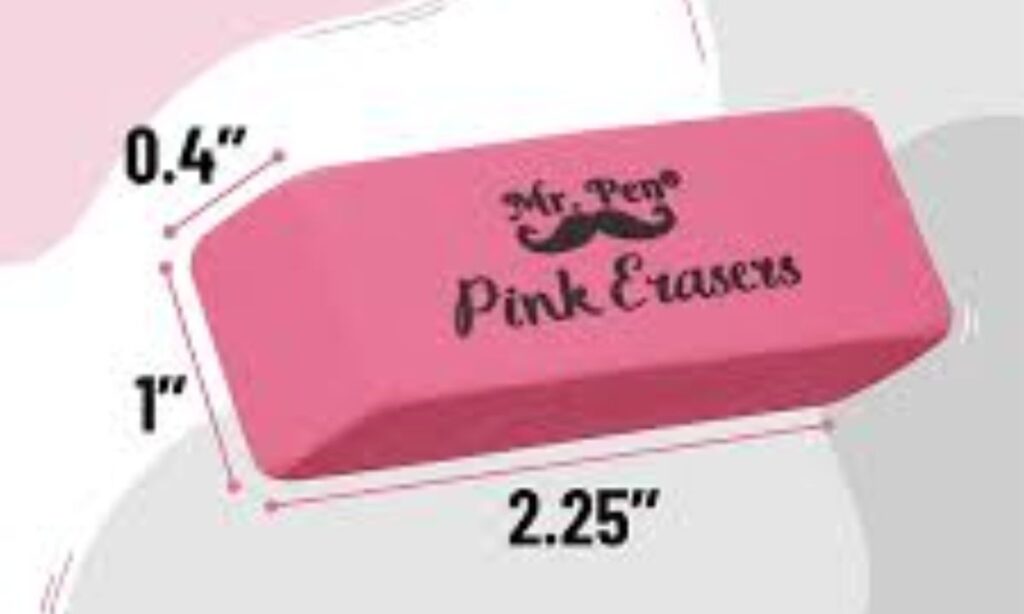
A standard pencil eraser is another strong answer to how long is 6mm. The pink eraser on the end of most wooden pencils measures somewhere between 5mm and 7mm across, which puts many of them right in this range.
This comparison works well because pencils are everywhere, from classrooms to office drawers. You do not need to buy anything special to check it yourself. Just grab a pencil, look at the eraser tip, and you have a live example sitting in your hand.
Mechanical pencil erasers tend to run a bit smaller and thinner than the ones on wooden pencils. If you want the closest match, stick with a basic wooden pencil rather than a mechanical one. It is a small detail, but it makes the comparison more accurate.
Also, read this Blog: How Long Is 3mm?
3. Small Pearl Bead

Jewelry makers often use 6mm beads because the size looks balanced without being bulky. This makes small pearl beads a favorite answer to how long is 6mm among crafters and jewelry sellers. You will see this exact size listed constantly in bead shop catalogs.
A 6mm pearl sits comfortably on a fingertip and threads easily onto jewelry wire or cord. It is large enough to notice in a finished necklace or bracelet, but not so large that it looks heavy or out of place. That balance is exactly why designers reach for this size so often.
If you shop for beads online, you will notice sizing is almost always listed in millimeters rather than inches. Knowing that 6mm looks like a small pearl gives you a quick mental reference before you buy. It saves you from guessing wrong and ending up with beads that are too big or too small for your project.
4. Standard Drinking Straw Width

The inner opening of a standard plastic drinking straw is a solid, everyday answer to how long is 6mm. Most regular straws measure close to 6mm across on the inside, though wider “boba” or smoothie straws run larger.
This comparison is useful because almost everyone has held a straw recently. Next time you get a drink with a straw, take a second to notice how narrow that opening actually is. It is a good hands on way to lock in this measurement.
Straw sizes do vary by brand and by drink type, so this is an approximate match rather than an exact one. Thinner cocktail straws measure closer to 3mm or 4mm, while wider bubble tea straws can hit 10mm or more. A regular fast food straw is usually your best 6mm reference.
5. Small Button Thickness

Small shirt buttons, especially on lightweight fabric or children’s clothing, often measure close to 6mm across. This makes buttons a practical, everyday answer to how long is 6mm for anyone who sews or works with fabric.
These small buttons are common on dress shirts, baby clothes, and delicate fabrics where a bulky button would look wrong. They stay secure while keeping the overall look light and clean. If you have a sewing kit at home, dig through it and you will likely find a few buttons close to this size.
Button sizing actually has its own measurement system called the “ligne,” which can make shopping confusing. A quick tip: an 8 ligne button is close to 5mm, and a 10 ligne button lands near 6.3mm. Knowing this helps if you are ever buying buttons for a specific project.
6. Earphone Cable Diameter

Cable thickness is another practical way to answer how long is 6mm, especially for anyone who deals with electronics. Standard earphone cables usually run thinner, closer to 2mm or 3mm, but reinforced cables and some AUX cords with thicker insulation can reach close to 6mm.
Thicker cables like this are common on gaming headsets or higher end audio gear where durability matters. The extra material around the wire protects it from bending damage over time. If you have ever noticed a cord that feels unusually sturdy in your hand, it is likely closer to this thickness.
This comparison is a good reminder that “cable diameter” is not one fixed number across every product. Always check the actual spec sheet if precision matters, especially when buying replacement parts or adapters. A quick glance at the packaging will usually list the exact millimeter measurement.
7. Small Screw Head
Screws are a favorite comparison in hardware stores, and they give a very practical answer to how long is 6mm. A small screw head, like the kind used in furniture assembly or light electronics, often measures somewhere between 5mm and 7mm across the top.
This range depends heavily on the screw gauge, which is basically its size category. A number 6 screw, for example, typically has a head diameter close to 6mm, which lines up nicely with our topic. Larger gauges, like number 8 or 10, will have noticeably bigger heads.
If you are doing any kind of home repair, keeping a small ruler or caliper nearby is genuinely useful. Grabbing the wrong screw size is a common and annoying mistake. A quick check against a 6mm reference, like a pea or bead, can save you an extra trip to the hardware store.
8. Craft Foam Thickness
Craft foam sheets come in a range of thicknesses, and the heavier duty sheets often land right around 6mm. This makes craft foam a hands on answer to how long is 6mm for anyone who works on school projects, costumes, or DIY decorations.
Thinner craft foam, the kind used for simple cutouts, usually measures closer to 2mm. The thicker 6mm sheets are sturdier and hold their shape better, which makes them popular for cosplay armor, signs, and 3D craft builds. You can genuinely feel the difference in your hands.
If you are shopping for craft foam online, thickness is almost always listed in millimeters on the packaging. Knowing that 6mm feels noticeably firm compared to thinner sheets helps you pick the right one before it arrives. It avoids the disappointment of ordering foam that turns out too flimsy for your project.
9. Tiny Marble
Miniature marbles, sometimes sold for crafts or filler in vases, are another neat answer to how long is 6mm. These mini marbles are smaller than the classic marbles you might remember from childhood games, which usually measure closer to 16mm.
A 6mm marble fits easily on a fingertip and looks tiny next to a standard playing marble. They are popular in jewelry making, home decor, and small mosaic projects where a bulky marble would not work. Their round shape also makes them easy to compare visually with beads and peas.
If you are picturing scale, imagine lining up about three tiny marbles side by side. That row would measure close to 18mm, or about three quarters of an inch. It is a simple trick for visualizing multiples of this measurement.
10. A Standard Pencil Lead, About 6mm Thick
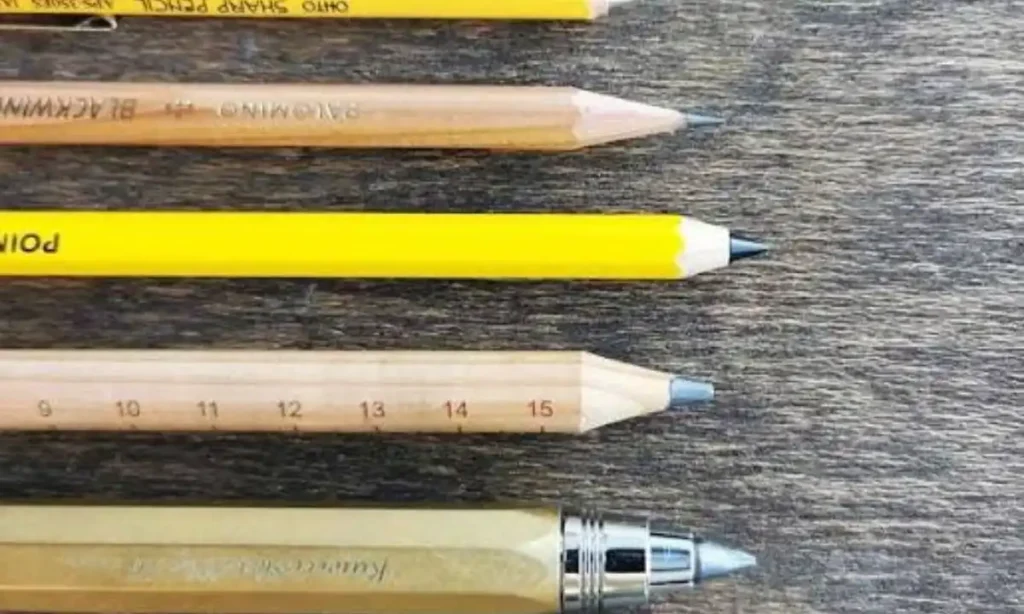
Most people think of pencil lead as razor thin, but that is not always true. Thicker lead holders and clutch pencils, often used by artists and drafters, use lead that measures close to 5.6mm to 6mm in diameter. That makes this one of the more surprising answers to how long is 6mm.
Regular wooden pencils use much thinner graphite cores, usually around 2mm. But specialty tools like carpenter pencils and mechanical lead holders are built for thicker, more durable lead that resists snapping. If you have ever used a carpenter’s pencil for marking wood, you have likely held one of these thicker cores.
This comparison is a good one for anyone in a trade like woodworking or construction. Carpenter pencils are specifically designed with a flat, thick lead close to this size so they do not break under pressure. Next time you pick one up, you will know exactly how long is 6mm just by looking at the tip.
Conclusion
Now you have a full answer to how long is 6mm, backed by ten real world objects you can actually picture. From a simple green pea to a carpenter’s pencil lead, this measurement shows up in more places than most people realize. The next time you see 6mm on a product listing, you will know exactly what to expect.
Measurements are always easier to understand when you connect them to something familiar. Keep this list handy for your next shopping trip, craft project, or home repair job. And if you ever forget, just remember: a small pea, a pearl bead, or a stack of a few coins will get you there every time.

Welcome to mininewsly.com, your trusted source for grammar tips and text meanings. I have over 4 years of experience in the grammar and text meaning niche. My goal is to provide clear, accurate, and easy-to-understand content for every reader. Thank you for visiting, and I hope my articles help you learn with confidence.