
If you have ever asked yourself how long is 3mm, you are not alone. It is one of those measurements that sounds simple but is hard to picture in your head. You know it is small. You just do not know how small until you compare it to something real.
The short answer is that 3mm equals 0.118 inches, or 0.3 centimeters. That is roughly the width of a small jewelry bead or a black peppercorn. Still, numbers alone do not tell the full story, which is why this guide breaks down how long is 3mm using everyday objects you already know.
By the end of this article, you will know exactly how long is 3mm, how to estimate it without a ruler, and which common household items match this tiny size. Let’s get into it.
How Big Is 3mm?
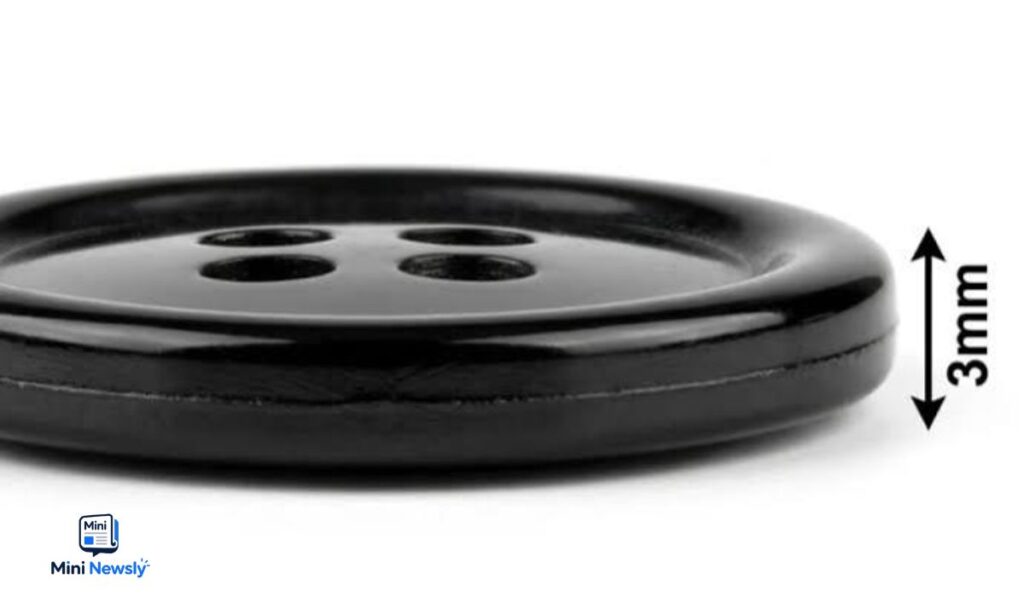
So how big is 3mm really? In plain terms, 3mm is about the thickness of three stacked credit cards. It is small enough to slip between your fingers without much notice, but big enough to see clearly with the naked eye.
Understanding 3mm size matters more than people think. This 3mm measurement shows up constantly in jewelry, electronics, craft supplies, and small hardware. If you have ever ordered screws, beads, or wires online, you have likely dealt with this exact size.
Knowing 3mm in inches and 3mm in centimeters helps when you are shopping for parts or trying to picture a product before it arrives. Once you understand how long is 3mm using real comparisons, converting between units becomes much easier.
3mm Conversion Chart
Here is a quick look at the 3mm conversion across common units of measurement:
| Unit | Value |
| Inches | 0.118 in |
| Centimeters | 0.3 cm |
| Meters | 0.003 m |
| Feet | 0.01 ft |
This chart makes it simple to answer how long is 3mm no matter which unit you prefer. Whether you think in 3mm in meters or 3mm in feet, the size stays tiny either way.
How to Estimate 3mm Without a Ruler

You do not always have a ruler on hand, and that is fine. There are simple ways to estimate 3mm using things you probably already have around the house. This section covers three easy tricks to measure 3mm without a ruler.
Each method below gives you a fast, reasonably accurate way to picture how long is 3mm on the spot. None of them require special tools or apps. You just need your eyes, your fingers, and a few common items.
Using Your Fingernail
Your own fingernail thickness is a surprisingly handy tool. The thin edge near the tip of most fingernails is close to 3mm thick.
Hold your finger up and look at the edge closely. That thin sliver you see is roughly how long is 3mm in real life. It is not perfect, but it works well in a pinch.
Using Coins or Cards
Stacking a few credit cards together is another solid trick. Three standard cards stacked flat come very close to 3mm in total thickness.
This method is popular because most people carry a card in their wallet already. If you ever need a fast gut check on how long is 3mm, this is one of the easiest ways to do it.
Using Everyday Objects
Beyond fingernails and cards, plenty of everyday objects double as size references. A grain of rice, a small button, or a pencil tip can all help you visualize this measurement.
The goal is simple. Once you connect how long is 3mm to something familiar, you will never need to look it up again.
Quick Comparison Table
Below is a 3mm size comparison chart showing how this measurement lines up with common items. Keep in mind that natural objects like peppercorns and salt crystals vary slightly, so these are close estimates rather than exact numbers.
| Object | Approximate Size |
| Black peppercorn | About 3 to 4mm |
| Small jewelry bead | About 3mm |
| Thick pencil tip | About 2.5 to 3mm |
| Tiny screw width | About 2.5 to 3.5mm |
| Small seed bead | About 2 to 3mm |
| Earbud cable thickness | About 2.5 to 3.5mm |
| Coarse salt crystal | About 2 to 4mm |
| Thin plastic sheet | About 3mm |
| Watch screw head | About 1.5 to 2.5mm |
| Grain of sand | About 0.5 to 2mm (fine sand is smaller) |
This table gives you a quick visual comparison so you never have to wonder how long is 3mm again. Now let’s look at each item in detail.
1. Black Peppercorn

A black peppercorn is one of the easiest 3mm examples you can find in your own kitchen. Most whole peppercorns measure somewhere between 3 and 4mm across, making them a near perfect match for this size.
Next time you are cooking, grab a peppercorn and roll it between your fingers. That little round shape gives you a real feel for how long is 3mm without needing any tools. Peppercorns are also useful because almost everyone has them at home. Compared to something like a coffee bean, which is much bigger, a peppercorn shows just how tiny 3mm actually looks up close.
Also read this : How Long Is 5 Meters
2. Small Jewelry Bead
Anyone who has worked with jewelry knows that a small jewelry bead is often exactly 3mm wide. These beads are popular in bracelets, earrings, and layered necklaces because their small size adds detail without overwhelming the design.
If you have ever shopped for beads online, you have probably seen sizes listed in millimeters. Understanding how long is 3mm makes those listings much easier to picture before you buy. Bead crafters often keep a small ruler nearby for this exact reason. A 3mm bead looks like a tiny round dot on your fingertip, smaller than a standard button but easy to spot once you know what to look for.
3. Thick Pencil Tip

A freshly sharpened, thicker drawing pencil often has a tip close to 3mm wide. Artists who work with bold sketching pencils rely on this thickness for shading and rough lines. This is a helpful comparison because pencils are something almost everyone owns. Looking at the graphite tip right after sharpening gives you a quick, no cost way to picture how long is 3mm.
Compared to a standard ballpoint pen tip, which is much thinner, a thick pencil point feels noticeably chunkier. That difference is exactly why artists choose thicker leads for bold, expressive lines.
4. Tiny Screw Width
Small electronics like phones, laptops, and glasses often use a tiny screw close to 3mm wide. As devices get smaller, these tiny fasteners have become more common than ever.
If you have ever tried fixing your own glasses or opening up a laptop, you already know how fiddly these screws can be. Precision screwdrivers exist specifically because standard tools are too big for hardware this small.
Understanding how long is 3mm matters here because ordering the wrong replacement screw can ruin a repair job. A difference of even half a millimeter can mean the screw simply will not fit.
5. Small Seed Bead
Seed beads used in DIY projects and jewelry making are often sized around 2 to 3mm. These tiny beads are popular for detailed patterns, friendship bracelets, and woven designs.
Craft stores usually sort seed beads by number size, but converting that to millimeters helps buyers picture the real thing. Knowing how long is 3mm saves you from ordering beads that turn out far smaller or larger than expected.
Because seed beads are used in bulk, even a small sizing mistake adds up fast across hundreds of beads. That is why experienced crafters always double check the millimeter measurement before buying in large quantities.
6. Earbud Cable Thickness

Many earbud and charger cables measure somewhere between 2.5 and 3.5mm thick. Thin cables are designed this way on purpose, since flexibility matters just as much as durability.
Next time you unwind your earbuds, take a second look at the cable. That slim, flexible wire is a great everyday example of how long is 3mm actually feels between your fingers.
Cable thickness also affects durability. Thinner cables are easier to tangle but more comfortable to carry, which is why manufacturers try to strike a careful balance around this size range.
7. Coarse Salt Crystal
Coarse sea salt crystals, the kind used for finishing dishes or grinding fresh, often land between 2 and 4mm. These crystals are noticeably bigger than fine table salt.
If you have coarse salt in your kitchen, sprinkle a few grains onto a plate and look closely. Seeing the crystal size up close is one of the more surprising ways to understand how long is 3mm in daily life.
This comparison works well because texture matters in cooking. Chefs often choose coarse salt specifically for its crunch, which comes directly from crystals sitting right around this size.
8. Thin Plastic Sheet
Thin plastic sheets used in packaging, craft projects, and protective covers often measure close to 3mm thick. This thickness gives the material enough strength to hold its shape without becoming stiff or heavy.
If you have ever handled a plastic report cover or a lightweight cutting mat, you have felt something close to this thickness already. It bends easily but does not tear the way paper does.
For anyone working on craft supplies or packaging projects, knowing how long is 3mm helps when choosing the right sheet for cutting, layering, or protective covers.
9. Watch Screw Head
Tiny watch screw heads are some of the smallest fasteners you will ever handle, often measuring around 1.5 to 2.5mm. Watchmakers rely on magnifying tools just to work with parts this small.
If you have ever tried changing a watch battery yourself, you already understand the challenge. A screw this size is easy to lose and nearly impossible to grip with regular tools.
This example shows just how far precision hardware can go. Compared to a standard screw, a watch screw head is a fraction of the size, which is exactly why precision tools exist in the first place.
10. Grain of Sand

A single grain of sand typically ranges from about 0.5mm to 2mm, though coarser beach sand can reach closer to 3mm in some regions. This makes larger sand grains a surprisingly close match for our target size.
Next time you are at the beach, scoop up a handful of coarse sand and look closely. Some of those bigger grains sit right around how long is 3mm, especially compared to the finer, powdery sand near the shoreline.
This comparison also shows how much natural materials can vary. Unlike a manufactured small hardware part, sand grains never match perfectly, which makes them a fun, imperfect way to picture this tiny measurement.
How Long Is 3mm on a Ruler
If you have a ruler handy, finding 3mm is simple. Look at the metric side and count three small lines past the zero mark. That short distance is exactly how long is 3mm looks in real life.
On most rulers, each centimeter is broken into ten small lines, with each line representing one millimeter. Three of those tiny lines together equal your answer for how long is 3mm.
If your ruler only shows inches, look for the 0.118 inch mark instead, though this is harder to spot since inch rulers are not divided as finely. For accuracy, a metric ruler is always the better choice when measuring small measurements like this one.
Why Understanding Small Measurements Matters
Knowing how long is 3mm is not just a fun fact. It has real, practical uses in online shopping, repairs, and craft projects. Getting this measurement wrong can mean ordering the wrong drill bits, screws, or beads.
People working with electronics repairs, jewelry making, or DIY projects deal with tiny measurements like this constantly. A mismatch of even one millimeter can mean a replacement part simply does not fit.
This is exactly why product specifications list exact millimeter sizes online. Once you understand real world measurements like how long is 3mm, reading those spec sheets becomes much less confusing.
Conclusion
At this point, you should have a clear answer to how long is 3mm. It equals 0.118 inches or 0.3 centimeters, and it shows up everywhere once you start looking for it, from peppercorns to phone screws.
Using real objects like beads, pencil tips, and coarse salt makes this tiny measurement much easier to picture than numbers alone. The next time someone asks how long is 3mm, you will have plenty of everyday comparisons ready to explain it.
Whether you are shopping for jewelry, fixing electronics, or working on a craft project, understanding this small but important measurement will save you time and prevent costly ordering mistakes.

Welcome to mininewsly.com, your trusted source for grammar tips and text meanings. I have over 4 years of experience in the grammar and text meaning niche. My goal is to provide clear, accurate, and easy-to-understand content for every reader. Thank you for visiting, and I hope my articles help you learn with confidence.