
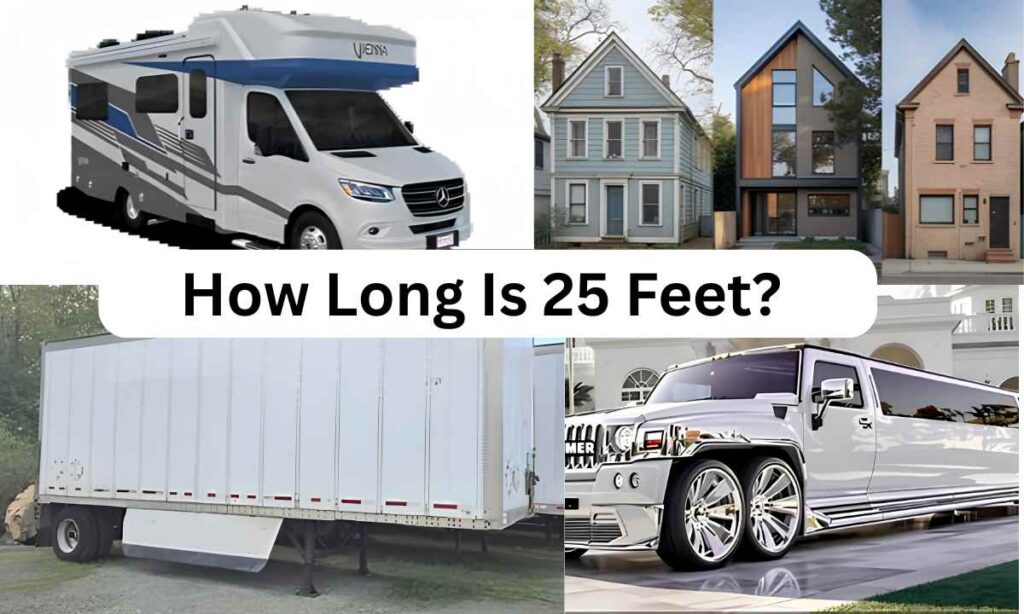
25 feet equals 300 inches or 7.62 meters — roughly two compact cars parked nose to nose. Most people underestimate it until they see it standing next to something familiar. Once you connect it to real objects, this medium distance measurement clicks instantly.
How Big Is 25 Feet? A Super Simple Visual Guide
Picture two Honda Civics or Toyota Corollas parked bumper to bumper. That combined length lands almost exactly at 25 feet. That one image alone saves you a lot of head-scratching on job sites or in your backyard.
Stack two and a half basketball hoops on top of each other vertically. Since each rim sits at 10 feet, two and a half puts you right at 25. It is a surprisingly tall distance when you think about it that way.
Lay four average adults (each around 6 feet tall) head to toe on the ground. You get close to 25 feet in real life without touching a single measuring tool. These size comparison examples are what make this length finally feel real.
How Long Is 25 Feet? Real-World Ways to Measure It Without a Tape
| Unit | Value | Quick Visual |
| Inches | 300 inches | Four adults lying head to toe |
| Meters | 7.62 meters | Height of a small two-story home |
| Yards | 8.33 yards | About 8 big adult steps |
| Cars | 2 compact cars | Two Civics end to end |
| School bus | Half a school bus | One full bus is around 50 feet |
Things That Are 25 Feet Long – 16 Everyday Examples Americans See All the Time
These are the best measurement reference objects you will spot in parking lots, on roads, and in your own neighborhood. Every example below is verified and grounded in real vehicle length examples and residential height examples. No stretch math, no guesswork.
Class B RV Length – The Classic 25-Foot Camper Van
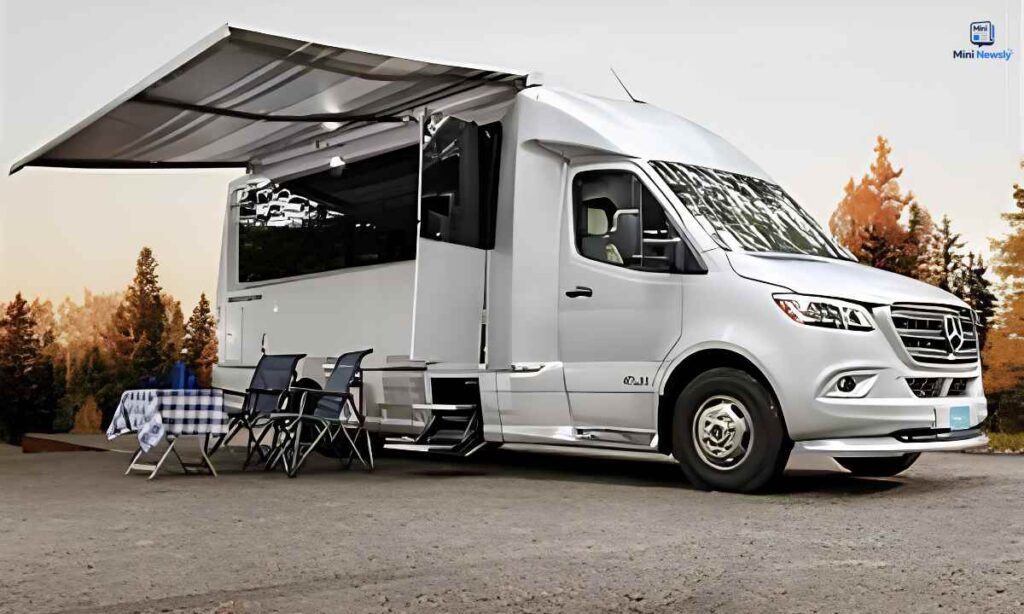
Popular Class B RV models like the Winnebago Revel and Roadtrek Zion typically run between 19 and 22 feet. The Airstream Interstate 24GL pushes closer to 24.5 feet, making it one of the longest true Class B vans on the market. If you want a rig that hits exactly 25 feet, you are stepping into Class B+ or a small Class C territory.
Many national parks enforce a strict 25-foot vehicle limit at certain campsites. Knowing your rig’s exact length saves you from getting turned away at the gate. This is one practical measurement example that actually costs you money if you get it wrong.
Two-Story Building Height – Roofline Right at 25 Feet
A standard two-story building measures roughly 20 to 25 feet from ground to eaves. That is before the roof peak, which usually adds another 3 to 7 feet on top. So when you look at a regular suburban home, the main wall height is your best residential height example of 25 feet.
Builders target this range because it feels substantial without triggering commercial-grade construction costs. Next time you pass a two-story house, look at the gutters — that roofline edge is your 25-foot marker.
Semi-Trailer Length – The Famous 28-Foot “Pup” (Super Close!)
Full semi-trailers run 53 feet, but the smaller pup trailer used by regional carriers is usually around 28 feet. Single-unit box trucks with 24 to 26-foot cargo bodies often measure exactly 25 feet bumper to back door. These are everywhere on American highways and are one of the easiest vehicle length examples to spot.
Stretch Limousine Size – Party on Wheels
A classic 6 to 10 passenger Lincoln limousine or Cadillac limousine stretches to about 24 to 25 feet total. The factory takes a regular sedan and welds in a middle extension, landing the whole car right in that range. Anything longer jumps to super-stretch or Hummer limo territory at 35 feet and beyond.
Box Truck Length – The Famous 26-Foot Moving Truck
The U-Haul and Penske 26-foot moving truck is the most rented truck in America. Total bumper-to-door length sits around 25.5 to 26 feet, which most people just round down to 25 in conversation. The cargo box itself is often exactly 24 to 25 feet of usable interior space.
Airport Shuttle Van Size + Luggage Trailer

A hotel airport shuttle van alone runs about 20 to 22 feet. Hook on a small luggage trailer and the combined length lands close to 25 feet. Next time you are waiting outside arrivals, pace it out — you will be surprised how accurate this is.
25-Foot Flagpole – The Best-Selling Size in America
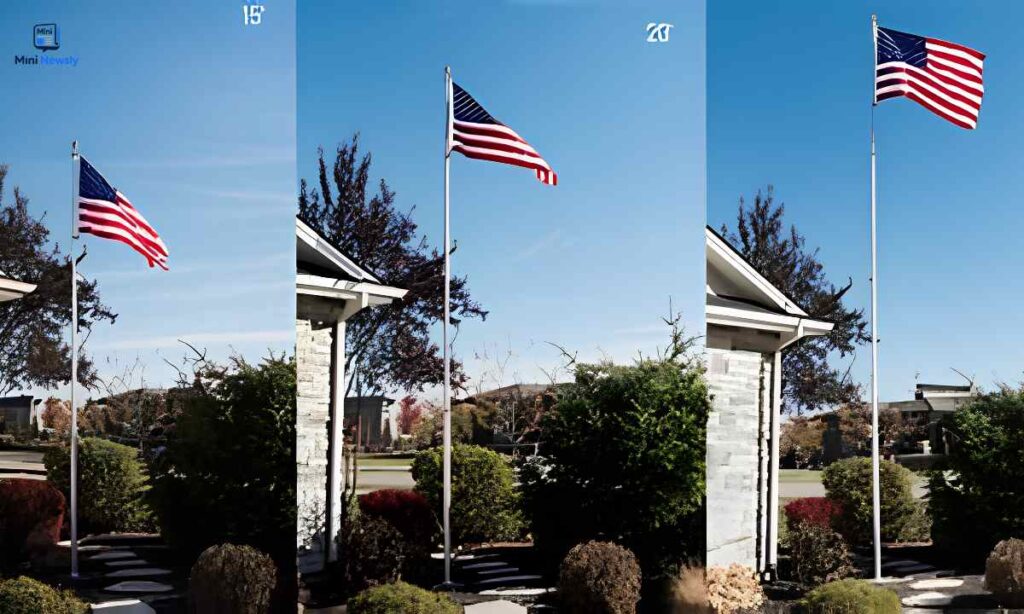
Search any home improvement store and the aluminum flagpole that sells the most is the 25-foot model. It is tall enough to fly a full-size flag proudly but short enough to skip the permit process in most cities. Thousands of homes and small businesses use this exact height every single day.
Boat Trailer Length for a 21–23 Foot Boat
Put a center console fishing boat on a tandem-axle trailer with the motor tilted up. The total length from hitch ball to propeller tip usually lands between 25 and 27 feet. This is a go-to outdoor measurement reference for anyone near Florida, Texas, or the Carolinas.
20-Foot Cargo Container + Tongue = Roughly 25 Feet
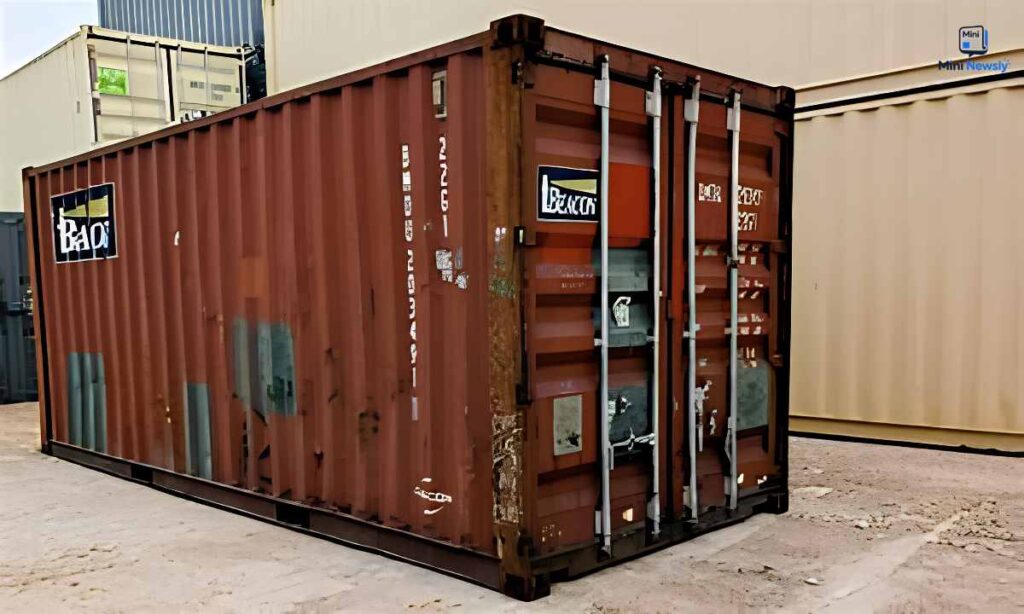
A standard CONEX container or cargo container is exactly 20 feet long on its own. Mount it on a delivery chassis and the frame and tongue add roughly 4 to 5 feet. Total displayed length on the road hits right around 25 feet.
Horizontal Road Banner Stretched Across the Street
Most cities cap road banners at 25 feet wide to fit two traffic lanes plus gutters. That “Welcome Home” or “Grand Opening” banner you drive under is almost always exactly 25 feet. It is one of the most overlooked but most accurate common measurement examples hiding in plain sight.
More Quick Real-Life 25-Foot Examples You See Every Day
A regulation volleyball court is 29.5 feet wide — just a bit over 25. A bowling lane from the foul line to the pins is 60 feet, so the first 25 feet covers nearly the entire approach and mid-lane. Many mobile homes are built in sections no wider than 25 feet to stay road-legal during transport.
Measuring Tapes – Why the 25-Foot Tape Rules Job Sites
The Stanley FatMax, DeWalt, and Milwaukee 25-foot tapes are the best-selling models in the trades. The blade is wide enough to stand out 10 feet unsupported, making solo measuring easy. It fits perfectly in a tool pouch and handles 90 per cent of construction measurements without switching tools.
Telephone Pole (Shorter Residential Type)
Standard residential utility poles run 35 to 40 feet tall after installation, with about 6 feet buried underground. That means the visible portion above ground is roughly 28 to 34 feet — close to but not exactly 25 feet. It is still a useful length reference guide for vertical distance estimation in your neighborhood.
Small Sailboat (Day-Sailer Class)
A day-sailer class sailboat typically measures 18 to 25 feet from bow to stern. The 25-foot end of that range represents a roomy, capable recreational boat perfect for weekend trips. These are common at marina docks and give you a clear visual size guide on the water.
City Bus Stop Shelter Canopy (Larger Models)

Larger bus stop shelters in busy urban areas span about 20 to 25 feet wide to cover multiple benches. This canopy length is a great real-world dimension you walk past without ever thinking about. Stand under one and look both ways — that coverage span is your 25-foot mental anchor.
Articulated Ladder (Fully Extended)
A commercial-grade articulated ladder fully extended can reach up to 22 to 25 feet depending on the model. Consumer models typically top out at 21 feet, so check the specs before assuming you can reach a two-story roofline. This is one of the most practical DIY measurement tips for homeowners planning gutter or roof work.
Large Moving Truck Ramp (Commercial Grade When Extended)
Commercial moving truck ramps extend to about 20 to 25 feet on larger fleet vehicles. These long ramps let movers roll heavy furniture down safely without steep angles. They are a real and tangible way to visualize 25 feet stretched out flat on the ground.
Single-Car Garage Depth – Standard Designs Around 24–26 Feet
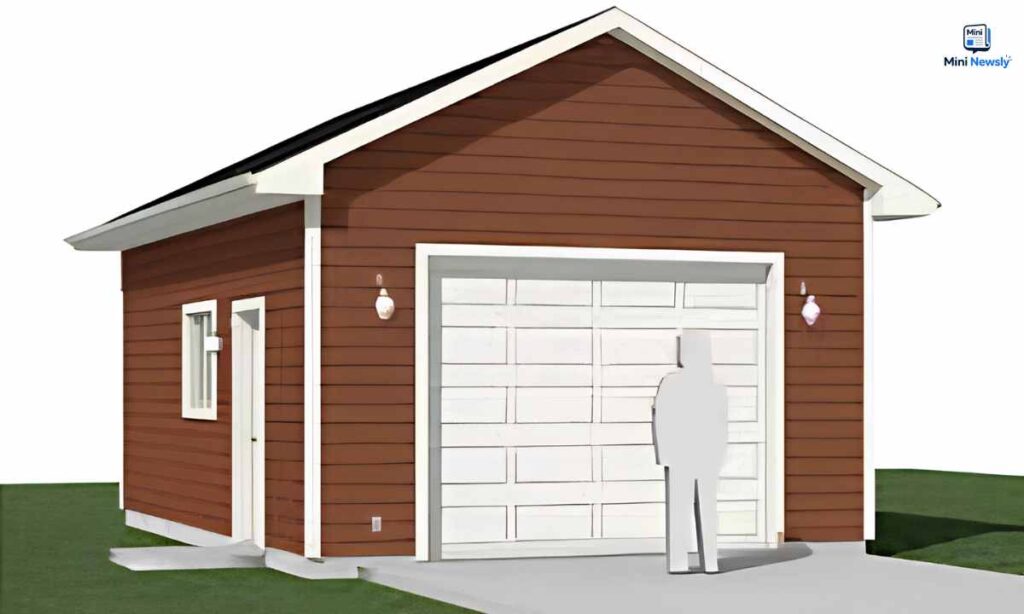
A standard single-car garage runs 20 to 24 feet deep, with newer builds pushing to 26 feet. That 24 to 26-foot sweet spot lines up almost perfectly with 25 feet. If your garage fits your car with a little room to spare, you are living inside a perfect home measurement guide reference.
Everyday Objects That Help You Visualize 25 Feet Easily
Two compact cars end to end, a flagpole in your neighbor’s yard, or your own single-car garage — these are your anchors. Estimating distance without a tape becomes easy when you tie the number to something you see every day. The goal is to stop thinking in abstract numbers and start thinking in real objects.
Pick two or three from this article that exist in your daily life and make them your personal visual measurement guide. Once those stick, you will never struggle with length visualization again.
Why Understanding 25 Feet Matters in Home Projects and Design
Planning a fence, a deck, or a driveway without knowing what 25 feet looks like leads to expensive mistakes. A home project measurement error of even 2 to 3 feet can throw off material orders and permits. Getting this distance locked in your head saves money before you ever swing a hammer.
Interior designers and contractors use 25-foot references constantly for room spacing and wall placement. Knowing it cold makes you faster, more confident, and less likely to re-measure three times on a landscaping measurement job.
How to Compare 25 Feet to Cars, Buildings, and Outdoor Structures
Two compact cars end to end give you 25 feet horizontally. A standard two-story home eave gives you 25 feet vertically. A single-car garage depth gives you 25 feet in an enclosed space.
These three angles — horizontal, vertical, and enclosed — cover almost every size comparison example you will face in real life. Train your eye on all three and you have a built-in visual size guide that works anywhere.
Real-Life Scenarios Where a 25-Foot Measurement Is Common
RV campsite length limits, banner permit widths, boat trailer parking, and moving truck sizing all revolve around 25 feet. Construction crews mark off 25-foot sections constantly for foundation layouts and fencing runs. Even city planners use 25 feet as a standard traffic lane width reference.
Knowing this one number makes you fluent in a language that builders, movers, and property owners speak every day. It is one of the most practical common object dimensions you can memorize.
Simple Ways to Measure or Estimate 25 Feet Without Tools
Take 10 to 12 normal walking steps — each averages about 2.5 feet, landing you right at 25. Lay two compact cars end to end in your mind and you have your distance. Count floor tiles if they are 12 inches square — 25 tiles in a row equals exactly 25 feet.
Your arm span is roughly equal to your height, so for a 6-foot person, four arm spans gets you to 24 feet — very close. These DIY measurement tips require zero tools and work surprisingly well for rough planning.
Conclusion
25 feet equals 300 inches or 7.62 meters — and now you have 18 real-world anchors to make it stick. From your garage to a flagpole to the moving truck backing into your driveway, this distance is everywhere. You just needed the right reference points to finally see it.
Next time someone asks how long 25 feet is, skip the tape measure. Point at two cars, a two-story roofline, or a 25-foot flagpole and say — that is exactly it. Drop a comment below with the reference that clicked best for you — would love to hear which one stuck.

Welcome to mininewsly.com, your trusted source for grammar tips and text meanings. I have over 4 years of experience in the grammar and text meaning niche. My goal is to provide clear, accurate, and easy-to-understand content for every reader. Thank you for visiting, and I hope my articles help you learn with confidence.