
So your recipe says 175°C and your oven only shows Fahrenheit. Here’s your answer right away, 175 degrees Celsius is 347 degrees Fahrenheit. That’s the whole headache solved in one line.
But stick around, because knowing what is 175 degrees in Fahrenheit is only half the story. You still need to know why this number matters for your baking, how to remember it, and what to do when your oven dial doesn’t show exact numbers.
What Is 175 Degrees in Celsius
Let’s slow down for a second and ask what is 175 degrees actually mean on the Celsius scale. 175°C sits right in the middle of most baking recipes, it’s not scorching hot, and it’s not too gentle either.
Think of it like a warm summer afternoon, but way hotter obviously. Your oven at 175°C is doing steady, even work, which is why bakers trust it so much for everyday recipes.
Understanding Celsius vs Fahrenheit
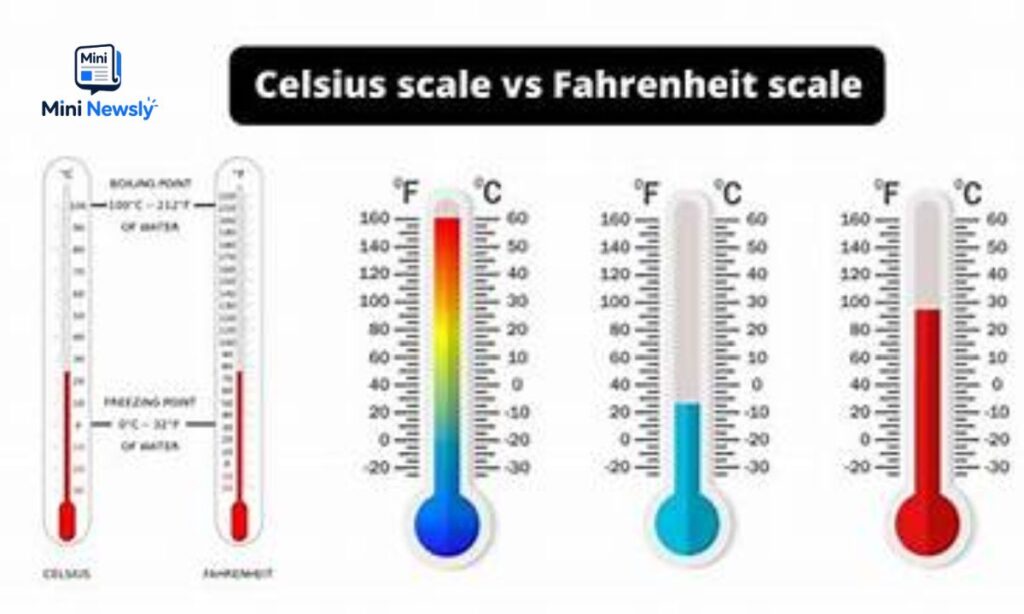
Celsius and Fahrenheit are just two different ways to talk about the same heat. The Celsius scale is used almost everywhere in the world, and water freezes at 0°C and boils at 100°C, nice and simple.
The Fahrenheit scale is mostly an American thing, where water freezes at 32°F and boils at 212°F, which feels random until you know the history behind it. So when someone asks what is 175 degrees in Fahrenheit, they’re really asking you to translate one language of heat into another.
The Formula: Converting °C to °F
Here’s the Celsius to Fahrenheit formula, and don’t worry, it’s not scary math at all. The rule is simple, °F equals °C multiplied by 9/5, then you add 32 to that answer.
Let’s do it with our number together. First multiply 175 by 9/5, which gives you 315, then add 32 to that, and you land on 347. That’s how you get 347°F every single time you plug in 175°C, and it’s worth saving this temperature conversion formula somewhere on your phone for next time.
175 Degrees Celsius to Fahrenheit, Explained Simply
We already know the answer to what is 175 degrees in Fahrenheit, it’s 347°F, plain and confirmed. But here’s a common mix up people make all the time, they think 175°C is close to 175°F, when really it’s not even close, since 175°F is barely warm compared to actual 175°C heat.
Some folks also ask if 175°C equals 350°F, and it’s close but not exact, the real number is 347°F, and that tiny gap won’t ruin your dish anyway when you’re baking at home.
Why 175°C Is a Popular Baking Temperature
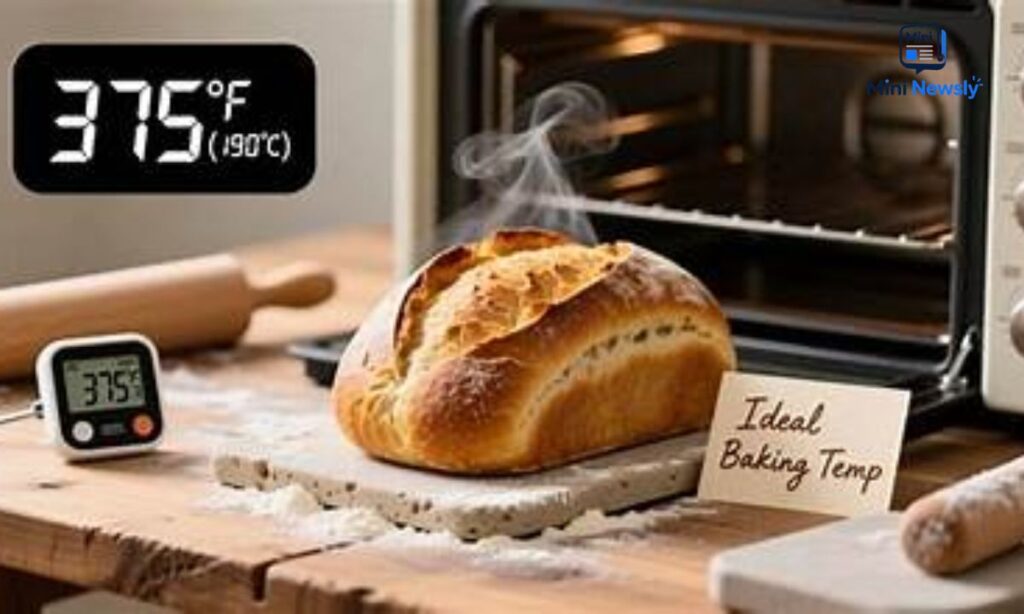
Bakers love 175°C for a real reason, not just tradition passed down from old cookbooks. At this heat, cakes rise slowly and evenly instead of puffing up too fast and cracking right on top.
Cookies come out golden without burning on the edges, and muffins bake through the middle without drying out on the outside. If you’re wondering what temperature is 175°C for baking, think sponge cakes, muffins, and most cookie doughs, since it’s the temperature that forgives small mistakes.
Also, read this Blog: How Long Until 2:45 PM Today? Live Countdown, Hours, Minutes & Seconds Left
Practical Tips for Cooking and Baking
Knowing the number is one thing, using it right in your kitchen is another thing entirely. A cheap oven thermometer helps a lot here, because oven dials lie more often than you’d expect, and a real thermometer tells you the honest temperature inside.
It also helps to keep a small temperature conversion chart taped inside a cabinet door, so you’re never guessing mid recipe. Don’t panic over a few degrees off either, since baking has some wiggle room built in, and if your recipe mentions a fan oven, just drop the temperature by about 20°C to match.
175 Degrees Celsius to Gas Mark
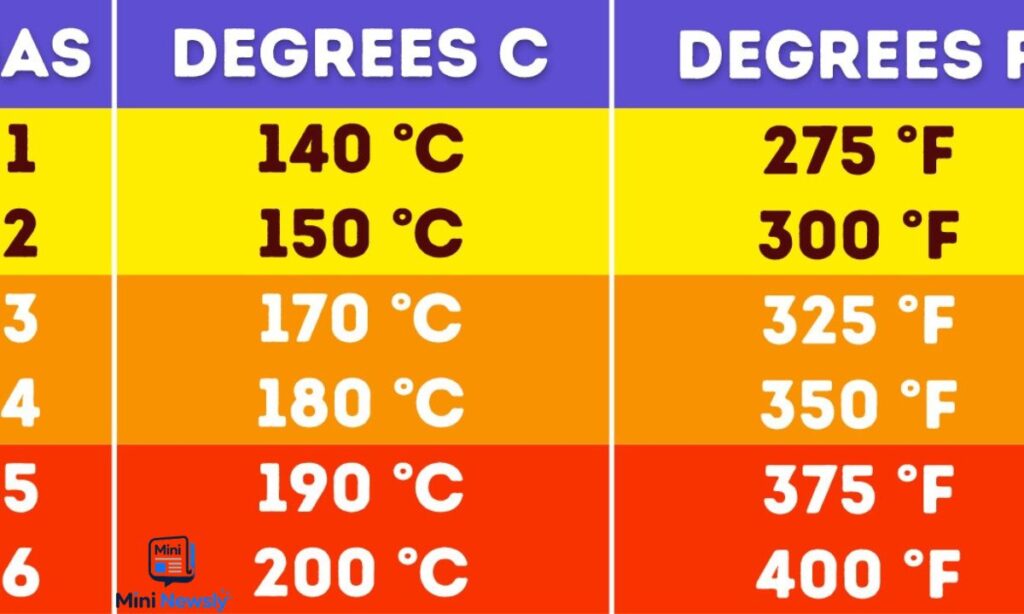
If your oven uses gas marks instead of numbers, here’s where 175°C lands on that scale. 175°C sits close to gas mark 3 to 4, depending on your particular oven’s calibration and age.
Older ovens in the UK often use this gas mark system, so if your grandma’s recipe book says gas mark 4, you now know it roughly means 175°C or 347°F in modern terms.
Fun Ways to Remember the Conversion
Numbers stick better with a little story attached to them, so picture your cake traveling from Europe to America. In Europe it says I’m 175°C, and the moment it lands in the US, it says I’m 347°F, same heat, just a different accent.
Or just remember this simple rhyme, 175°C, 347°F, baking’s sweet relief. It sounds silly, but silly things are the ones your brain actually remembers later.
Common Temperature Conversion Confusions
A lot of small mistakes happen when people convert Celsius to Fahrenheit in a rush. Forgetting to add 32 after multiplying is the biggest one, and it gets skipped more than you’d think, throwing the whole answer off.
Another common slip is assuming Fahrenheit numbers are always bigger than Celsius, which is false once you go into negative temperatures. People also mix up oven settings when switching between old and new recipe books, so a quick double check with a temperature calculator app avoids most of this mess entirely.
Temperature Conversion Beyond the Kitchen
Temperature conversion isn’t just a cooking thing, it actually shows up everywhere in daily life. Weather apps in Europe show Celsius, while American weather channels stick to Fahrenheit, which confuses plenty of travelers every single day.
Science labs, car engines, and even your body thermometer sometimes switch between these two scales depending on where the device was made. So learning what is 175 degrees in Fahrenheit today actually helps you read foreign weather reports, lab notes, and imported gadgets tomorrow without any confusion.
Cultural Notes on Temperature Scales
Different countries really do handle this stuff differently, and it’s kind of interesting once you notice it. Japan and most of Europe stick to Celsius on almost every oven and weather app you’ll come across.
The US holds onto Fahrenheit stubbornly, even though most of the world moved to the metric system decades ago. This is exactly why imported cookbooks often list both scales side by side, so nobody burns their dinner over a translation error.
Quick Reference Chart
A quick oven temperature chart saves you a search every time you cook, so here’s a simple one worth bookmarking. At 160°C you get 320°F, good for slow baking, and at 170°C you get 338°F, suited for light baking jobs.
At 175°C you land on 347°F, the standard baking sweet spot most recipes lean on. At 180°C you reach 356°F, common for roasting, at 190°C you hit 374°F for faster bakes, and at 200°C you reach 392°F, perfect for pizza nights and heavier roasting.
Conclusion
So there’s your full answer to what is 175 degrees in Fahrenheit, it’s 347°F, plain and simple, no confusion left. Now you also know why bakers love this temperature, how gas marks fit into the picture, and how to dodge the common mix ups people make.
Next time your recipe throws a Celsius number at you, you won’t panic, you’ll just convert it in your head and get right back to cooking. Got a conversion question of your own? Drop it in the comments, we read every single one.

Welcome to mininewsly.com, your trusted source for grammar tips and text meanings. I have over 4 years of experience in the grammar and text meaning niche. My goal is to provide clear, accurate, and easy-to-understand content for every reader. Thank you for visiting, and I hope my articles help you learn with confidence.