
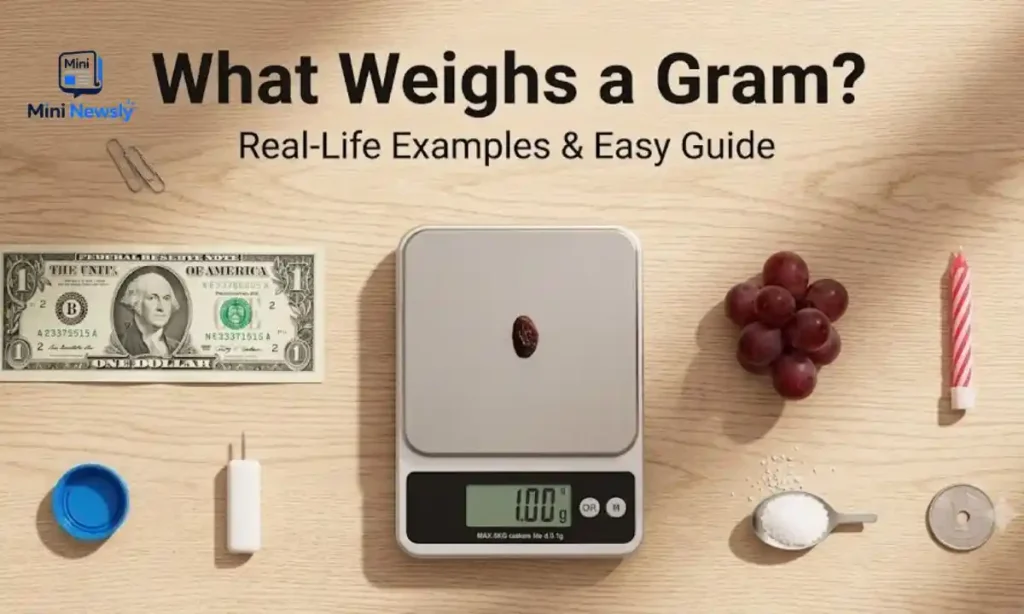
Have you ever picked something up and wondered just how light “light” really is? If you’ve ever asked yourself what weighs a gram, you’re not alone. A gram is one of the smallest units of mass most of us deal with in daily life, and yet it’s surprisingly hard to picture without something to compare it to. This guide walks through exactly what weighs a gram, why these objects matter, and how you can estimate a gram without ever touching a scale.
By the end of this article, you’ll never have to guess what weighs a gram again — you’ll have a mental list of everyday objects you can picture instantly.
Understanding What a Gram Really Is
A gram is a unit of mass in the metric system, represented by the symbol “g.” It’s part of the International System of Units (SI), the same measurement system used by scientists, chefs, pharmacists, and jewelers around the world. One gram is defined as one-thousandth of a kilogram, which is the SI base unit of mass.
To really understand what weighs a gram, it helps to place it on the broader measurement scale. A gram sits between milligrams (used for tiny amounts like medication doses) and kilograms (used for body weight or large packages). It’s the “in-between” unit — small enough to matter for precision, but large enough to be part of everyday conversation.
Basic conversions:
- 1 gram = 1,000 milligrams
- 1 gram = 0.001 kilograms
- 1 gram = 0.035274 ounces
- 1 gram = 0.00220462 pounds
- 1,000 grams = 1 kilogram
- 28.35 grams ≈ 1 ounce
Knowing these conversions makes it much easier to understand what weighs a gram when you compare it to units you already use, like ounces or pounds.
How Light Is 1 Gram in Real Life?
Here’s the honest answer: 1 gram is almost too light for most people to notice by feel alone. Human hands aren’t precise instruments — they’re better at judging weight differences of 5 grams or more. That’s exactly why so many people search for what weighs a gram; without a reference object, it’s nearly impossible to guess.
Think of it this way: a gram is about the weight of a small paperclip, a single raisin, or a sheet of paper folded in quarters. It’s light enough that a gentle breeze can move it, yet it’s a meaningful unit in cooking, medicine, and science, where every gram counts.
Everyday Objects That Weigh 1 Gram
If you’re trying to picture what weighs a gram, these common household and everyday items are some of the best real-world examples. Each one is close enough to 1 gram that it makes a reliable mental reference.
US Dollar Bill
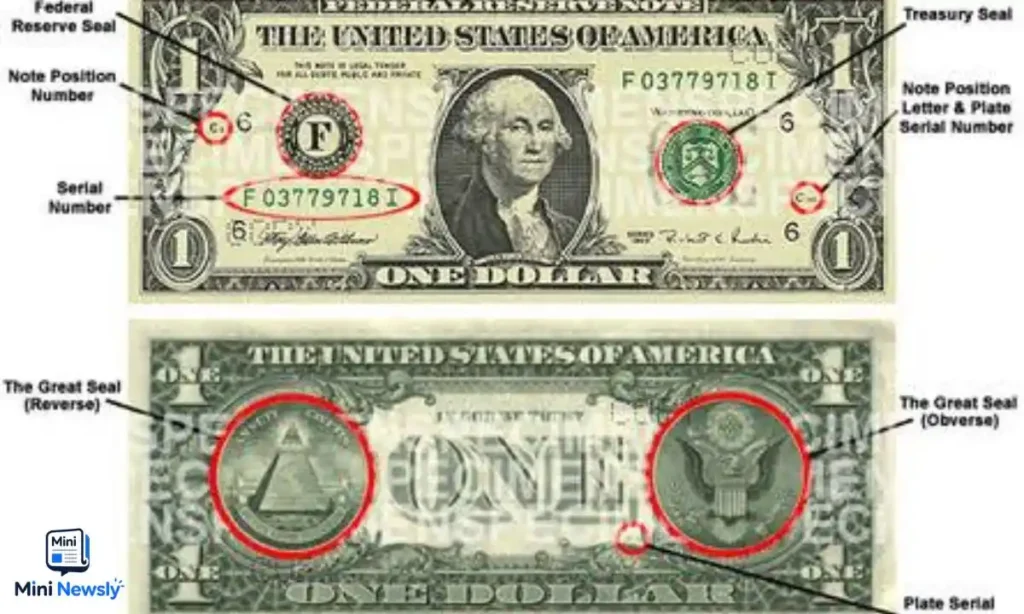
A single US dollar bill weighs almost exactly 1 gram, regardless of its denomination. This is because all US paper currency is made from the same cotton-linen blend and printed to the same size. Next time you’re wondering what weighs a gram, just picture a dollar bill sitting flat in your palm.
Standard Paperclip
A regular metal paperclip, the type used to hold together a few sheets of paper, weighs approximately 1 gram. This is one of the most commonly cited examples of what weighs a gram because paperclips are found in nearly every home and office.
Single Raisin
One dried raisin weighs close to 1 gram. Since raisins are small, lightweight, and easy to hold between two fingers, they’re a favorite comparison when people ask what weighs a gram in a kitchen setting.
Thumbtack or Push Pin
A standard metal thumbtack or push pin, the kind used on corkboards, comes in right around 1 gram. Its small size and metal composition make it a practical everyday object that weighs a gram.
Also, read this blog: White Claw Can Size: Complete Dimensions, Volume & Height Guide (2026)
Chewing Gum Stick
A single stick of chewing gum, still in its wrapper, weighs approximately 1 gram. This is a relatable example because most people have handled a stick of gum recently enough to picture its weight.
Pen Cap (Ballpoint Pen)
The plastic cap from a standard ballpoint pen typically weighs about 1 gram. It’s small, lightweight, and something almost everyone has within arm’s reach.
Pinch of Salt
A generous pinch of table salt, roughly what you’d hold between your thumb and two fingers, weighs close to 1 gram. This example is especially useful for anyone in the kitchen trying to understand what weighs a gram without pulling out a scale.
Small Birthday Candle
A single small birthday cake candle weighs approximately 1 gram. Since candles are so lightweight and made of wax and a thin wick, they land right around this benchmark.
Single Grape
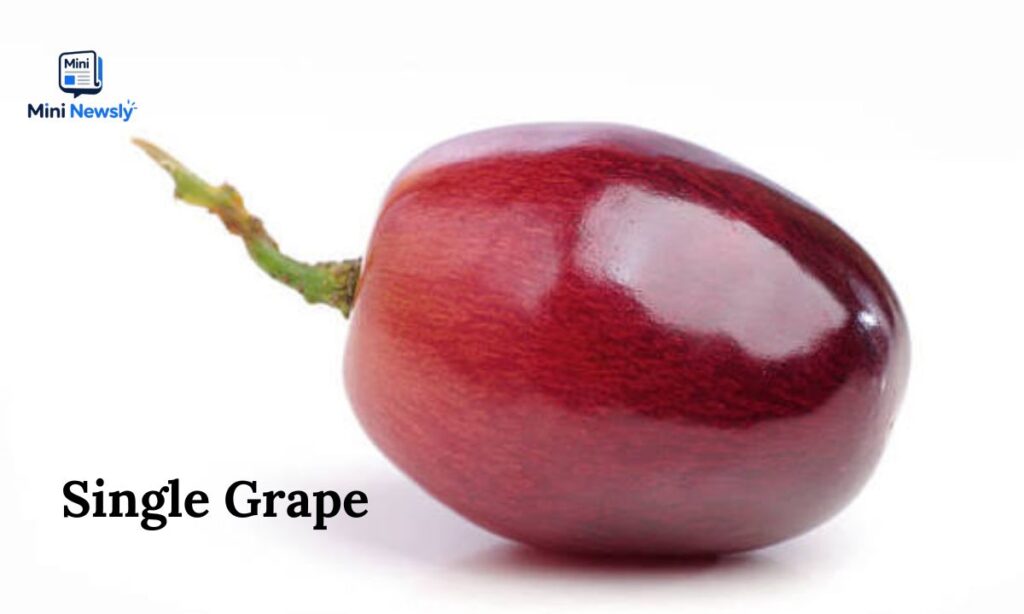
One small to medium grape weighs about 1 gram, though larger grapes can weigh slightly more. This is a great fruit-based reference for what weighs a gram.
Japanese 1 Yen Coin
The Japanese 1 yen coin is famous for weighing exactly 1 gram. It’s made of pure aluminum and is often cited in science classes as one of the most precise real-world examples of what weighs a gram.
Plastic Bottle Cap
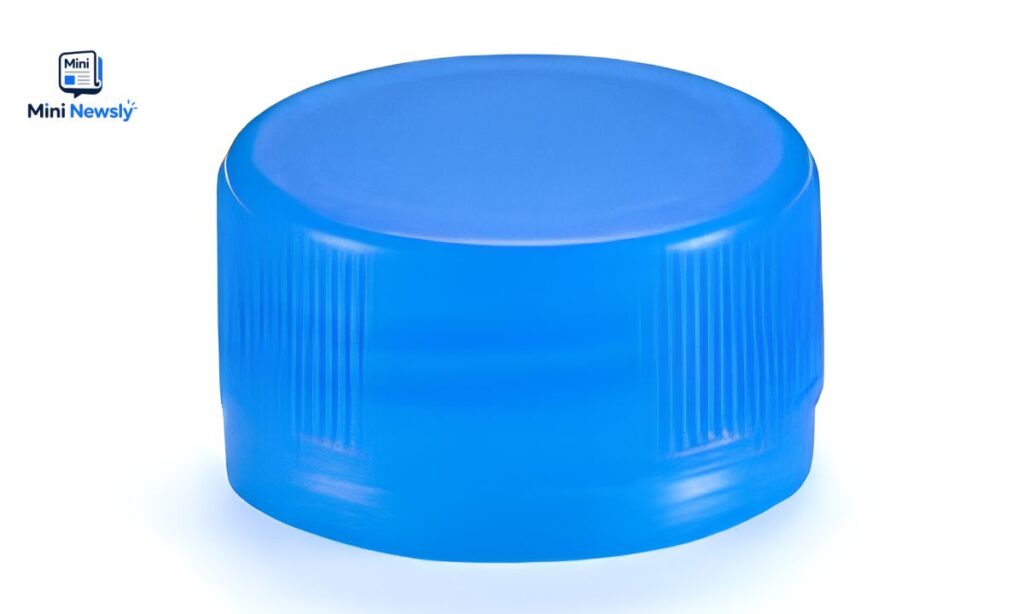
A standard plastic cap from a water or soda bottle weighs approximately 1 gram. Its lightweight plastic construction makes it a fitting addition to this list.
Quick reference list — everyday objects that weigh about 1 gram:
- US dollar bill
- Standard paperclip
- Single raisin
- Thumbtack or push pin
- Stick of chewing gum
- Ballpoint pen cap
- Pinch of salt
- Small birthday candle
- Single grape
- Japanese 1 yen coin
- Plastic bottle cap
Why Different Objects Can All Weigh 1 Gram
It might seem strange that a metal paperclip and a piece of paper currency can weigh the same amount. A paperclip is made of dense steel wire, while a dollar bill is made of thin, flexible cotton-linen fabric. So how can both weigh a gram?
Why?
The answer comes down to the relationship between mass, volume, and density. Mass is how much matter an object contains, while density tells you how tightly that matter is packed into a given volume. A dense material like metal only needs a small amount of volume to reach 1 gram, while a less dense material like paper needs more surface area or thickness to reach the same mass.
This is exactly why what weighs a gram can look so different from object to object. Size and weight are not the same thing — a large, airy item can weigh the same as a tiny, dense one.
Science Insight: 1 Gram and Water
Water plays a special role in understanding the metric system. By definition, 1 milliliter of pure water at 4°C (39.2°F) weighs almost exactly 1 gram. This relationship exists because the original metric system was designed around water as a reference point for mass and volume.
This means that if you have a small dropper and can measure out 1 milliliter of water, you’ve essentially created a 1-gram reference weight at home. It’s one of the simplest, most scientifically grounded ways to understand what weighs a gram without needing a kitchen scale.
Quick 1 Gram Conversion Table
| Unit | Equivalent to 1 Gram |
| Milligrams | 1,000 mg |
| Kilograms | 0.001 kg |
| Ounces | 0.035274 oz |
| Pounds | 0.0022046 lb |
| Carats | 5 carats |
| Milliliters of water | 1 ml |
| Teaspoons (approx., varies by substance) | ~0.2 tsp |
This table is a handy reference any time you need a fast answer to what weighs a gram in the unit system you’re most comfortable with.
How to Estimate What Weighs a Gram Without a Scale
Not everyone has access to a precision scale, especially at home. Fortunately, there are a few reliable methods for estimating a gram using items you probably already own.
Paperclip Method
Since a standard paperclip weighs almost exactly 1 gram, you can use it as a baseline. Hold the paperclip in one hand and the item you’re estimating in the other. If they feel roughly the same, you’re likely close to 1 gram.
Currency Method
A single dollar bill (or similarly sized banknote in other currencies) is another reliable reference. Because paper currency is manufactured to strict, consistent standards, it makes a dependable comparison tool when you’re guessing what weighs a gram.
Water Method
If you have a small measuring dropper or syringe, measure out 1 milliliter of water. Since 1 ml of water weighs 1 gram, this gives you a scientifically accurate comparison point, even without a scale.
Tip: None of these methods will be perfectly precise, but they’re accurate enough for everyday estimation, cooking adjustments, or satisfying curiosity about what weighs a gram.
Why Knowing What Weighs a Gram Actually Matters
Understanding gram-level measurements isn’t just a fun trivia exercise. It has real, practical applications across several fields.
Cooking
In baking especially, precision matters. Recipes for bread, pastries, and desserts often call for exact gram measurements of yeast, salt, or spices because even a small variance can change the texture or rise of a dish. Knowing what weighs a gram helps home cooks estimate quantities when a scale isn’t handy.
Medicine
Many medications are dosed in milligrams or grams, and small differences can significantly affect how a drug works in the body. Pharmacists and healthcare professionals rely on gram-level precision daily, which is why gram-based measurement understanding is built into pharmaceutical training.
Jewelry
Precious metals and gemstones are often measured and priced by the gram or by the carat (5 carats = 1 gram). Jewelers use this unit constantly when appraising gold, silver, or diamonds, making an intuitive sense of what weighs a gram genuinely useful in that industry.
Science
In laboratory settings, gram and milligram measurements are foundational. Chemists and researchers measure reagents, samples, and compounds with extreme precision, and a strong intuitive grasp of small units like grams supports better lab safety and accuracy.
Common Misconceptions About 1 Gram
There are a few myths that consistently confuse people trying to understand what weighs a gram. Let’s clear them up.
Myth 1: All small objects weigh 1 gram
Not true. Size and weight are not directly linked. A small steel ball bearing can weigh several grams, while a large cotton ball might weigh less than a gram. Density determines weight far more than size alone.
Myth 2: A teaspoon equals 1 gram
This depends entirely on what’s being measured. A teaspoon of water weighs about 5 grams, while a teaspoon of a lighter substance, like flour, weighs less. There’s no universal teaspoon-to-gram conversion, since it changes with the density of the ingredient.
Myth 3: All paper items weigh the same
While a dollar bill weighs about 1 gram, not all paper products do. A sheet of standard printer paper weighs around 4-5 grams, and a sticky note weighs less than a gram. Paper weight varies with thickness, size, and material.
Why Humans Struggle to Feel 1 Gram
Our sense of touch simply isn’t built for this level of precision. Human weight perception, sometimes studied as “haptic sensitivity,” typically struggles to distinguish differences smaller than a few grams when objects are held in the hand. This is why so many people turn to visual and comparative examples instead of trying to “feel” the difference.
This is also why questions like what weighs a gram are so common. Without a physical reference, the human brain has almost nothing to compare it to. That’s exactly why real-world object comparisons, like the ones covered in this guide, are so much more effective than trying to estimate by feel alone.
Conclusion
So, what weighs a gram? As you’ve seen, the answer includes a wide range of familiar items: a dollar bill, a paperclip, a raisin, a thumbtack, a stick of gum, a pen cap, a pinch of salt, a small candle, a grape, a Japanese 1 yen coin, and a plastic bottle cap. Each of these objects gives you a practical, real-world way to visualize just how light 1 gram truly is.
Understanding what weighs a gram isn’t just useful trivia — it has genuine applications in cooking, medicine, jewelry, and science, where precision matters. Whether you’re adjusting a recipe, estimating a small object’s weight, or simply satisfying your curiosity, these everyday comparisons make the abstract concept of a gram much easier to grasp.
Next time someone asks you what weighs a gram, you’ll have a whole list of everyday answers ready to go.

Welcome to mininewsly.com, your trusted source for grammar tips and text meanings. I have over 4 years of experience in the grammar and text meaning niche. My goal is to provide clear, accurate, and easy-to-understand content for every reader. Thank you for visiting, and I hope my articles help you learn with confidence.


