Ever stood in the kitchen wondering, “What does 3 ounces actually look like?” You are not alone. 3 ounces equals 85 grams, roughly 0.19 pounds, and about 88.7 ml for liquids. That is the quick answer. Now let us make it real with things you can actually picture.
Most people struggle to visualize 3 oz because they do not carry a kitchen scale everywhere. So here are 17 everyday objects weighing 3 ounces that you can use as instant mental references. From your fridge to your junk drawer, 3 ounces shows up more than you think.
How Heavy Is 3.5 Ounces?
Before jumping into the list, it helps to know that 3.5 ounces equals about 99 grams. That is just a small step up from 3 ounces, but you can notice the difference when measuring food weight for snacks or protein portions. Think of a small handful of trail mix. That is roughly 3.5 ounces sitting in your palm.
For meal planning and calorie control, this tiny gap matters a lot. A 3 oz serving of meat and a 3.5 oz serving can differ by around 15 calories and 2 to 3 grams of protein. So if you are tracking nutrition, knowing both benchmarks helps you stay accurate.
Things That Weigh About 3 Oz
Here are 17 real everyday objects weighing 3 ounces you can grab right now to understand this weight instantly.
Two Large Eggs
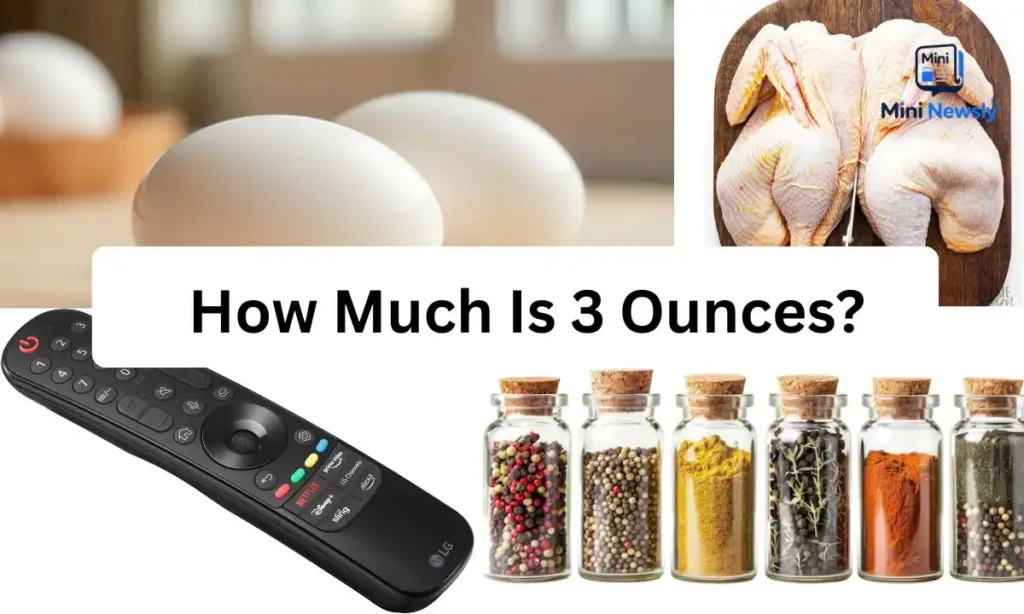
Two large eggs weigh around 3.2 ounces, which is as close to 3 ounces as you will get in your fridge. Each egg is roughly 50 grams, so two together land at about 85 to 88 grams total. This is one of the most reliable 3 oz weight comparisons for anyone who cooks regularly.
Next time a recipe says 3 oz, just picture two eggs sitting in your hand. They give you a clear visual weight comparison without needing any tools. Simple, accurate, and always within reach.
Half A Small Chicken Breast
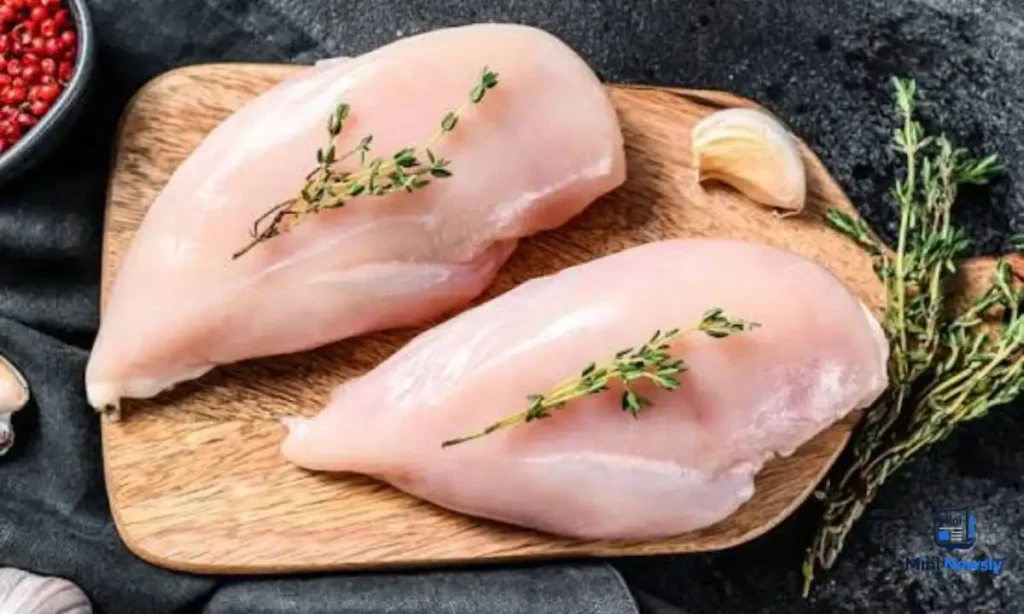
A small raw chicken breast averages around 6 ounces, so half of it is your 3 oz serving of meat. This is the gold standard protein serving size in most nutrition guides and diet plans. A 3 ounce chicken portion delivers roughly 26 grams of protein with very little fat.
It fits perfectly in your palm, which is actually a great weight estimation trick to remember. If cooked meat fills your open palm without spilling over the edges, you are looking at a 3 oz portion. This is how fitness coaches and dietitians teach healthy serving sizes without a scale.
TV Remote Control
Your average TV remote weighs between 3.5 to 5 ounces depending on size and battery type. Smaller, slim remotes for streaming devices often come in right around 3 ounces without batteries. It is a surprising but useful everyday weight example you hold multiple times a day.
Next time you pick up your remote, notice how it feels. That familiar grip is almost exactly what 3 oz feels like in the hand. It is one of the best common household items for a quick weight comparison.
Small Jar Of Spices
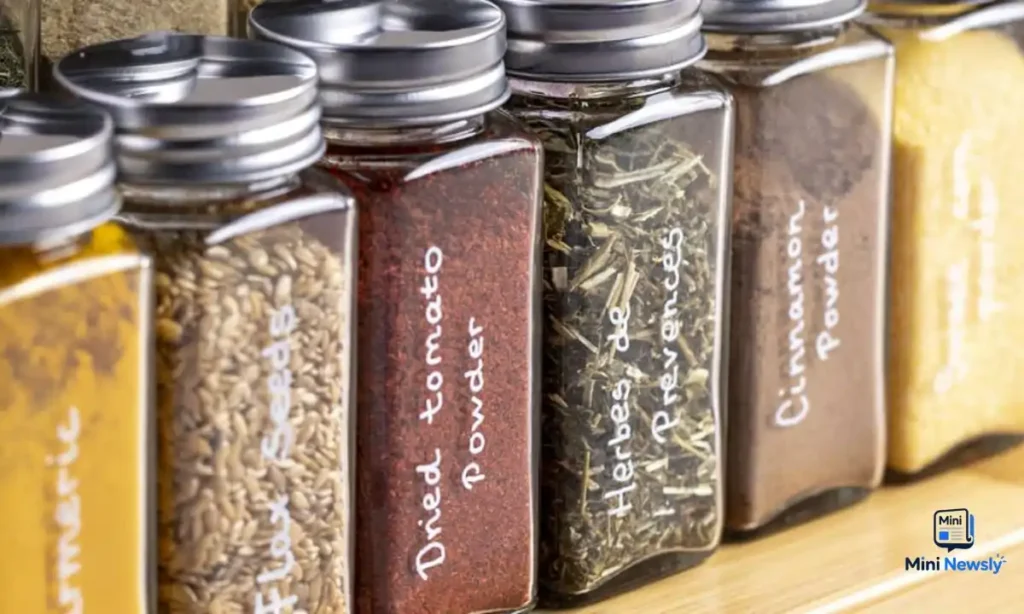
A compact spice jar like garlic powder or paprika usually weighs between 2 to 3 ounces with the contents. Most standard spice jars you find in grocery stores hover right around the 3 oz weight mark when full. This makes them one of the most accessible small household objects for a quick reference.
Pick up any spice jar from your rack and you are holding close to 3 ounces. The glass plus the spice adds up fast even though it looks tiny. Great visual weight comparison for anyone who cooks.
Also, read this Blog: How Much Is 7 Ounces? 17 Common Things That Weigh About 7 Oz
Twelve US Quarters
Here is where the original article got the math wrong. Let us fix that. Each US quarter weighs 5.67 grams, so twelve quarters = 68 grams, which is closer to 2.4 ounces, not 3. To actually hit 3 ounces (85 grams), you need about 15 US quarters.
So if you want a coin-based 3 oz weight reference, grab 15 quarters from your change jar. Stack them up and that pile weighs almost exactly 85 grams. A practical and always-available weight reference guide using coins.
Blue Jay

A Blue Jay bird weighs between 2.5 to 3.5 ounces, with most adults sitting right around 3 oz. These birds are common across North America, and it is wild to think something so lively weighs so little. Their weight sits almost perfectly in the 3 ounces range.
This is a fun real-life weight comparison that sticks in your memory. Next time you see a Blue Jay at your feeder, you are watching a living 3 oz weight example in action. Nature gives us some of the best visual weight comparisons.
Bar Of Soap
A fresh bar of hand soap typically weighs between 3 to 4 ounces depending on the brand. A standard travel-size bar is often right at 3 ounces, which is why airlines and TSA allow them in carry-ons. This is one of the most used small household objects that people handle daily.
Hold a travel soap bar in your hand and you have an instant feel for 3 oz. It is compact, solid, and just heavy enough to feel substantial without being bulky. Perfect everyday weight example for quick reference.
Computer Mouse
A basic wired mouse or compact wireless mouse weighs around 3 to 3.5 ounces without a cable. Heavier gaming mice go above this, but a standard office mouse lands right at the 3 oz mark. This is a lightweight object most people use for hours every day.
You are essentially resting your hand on a 3 oz weight while working at your desk. That familiar feel is a great anchor for understanding how heavy is 3 oz in practical terms. One of the best everyday objects weighing 3 ounces in your immediate environment.
Three Slices Of Bread
A single slice of standard white or whole wheat bread weighs around 28 to 30 grams, or about 1 ounce. Stack three slices together and you are at roughly 84 to 90 grams, landing right on 3 ounces. This is an easy food weight guide reference that requires zero equipment.
It also helps with portion control when building sandwiches or tracking carbs. Three slices equal one 3 oz food portion of bread, a fact worth keeping in your back pocket. Simple, relatable, and genuinely useful for kitchen weight measurements.
A Deck Of Playing Cards
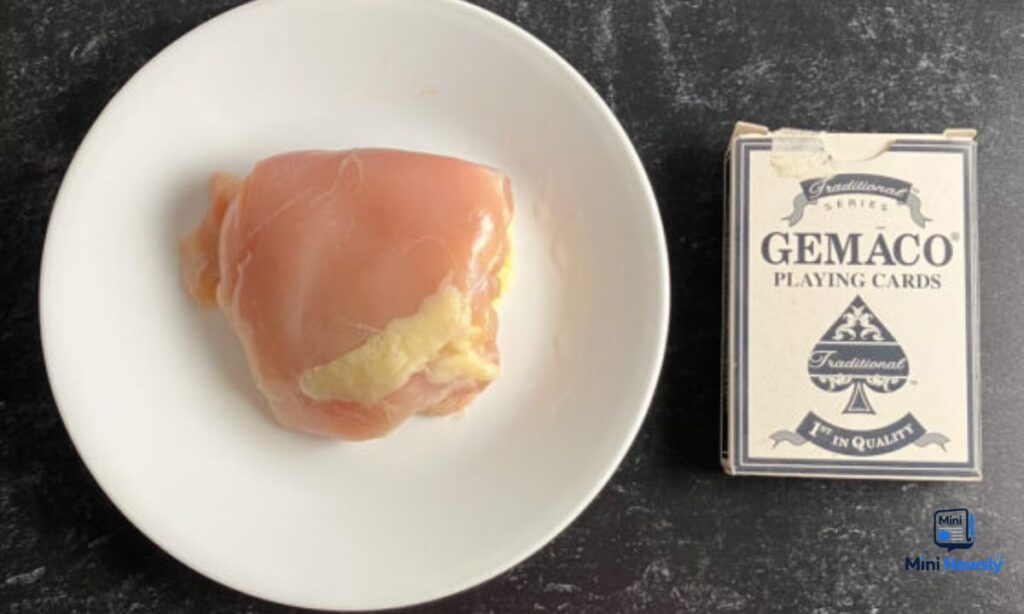
A standard 52-card deck weighs between 85 to 95 grams, which puts it right in the 3 oz to 3.3 oz range. It is slim, rectangular, and fits comfortably in one hand, much like a 3 oz portion of cooked meat would. This is one of the most popular weight comparison tools people already own.
Grab a deck from your game drawer and hold it flat in your palm. That weight is your new mental shortcut for 3 ounces anywhere you go. A great travel-friendly visual weight comparison item.
A Standard Lime or Lemon
A standard lime weighs 2 to 3 ounces and a medium lemon comes in around 3 to 4 ounces. Either one gives you a reliable ballpark for the 3 oz range depending on its size. These fruits are a staple 3 oz comparison in cooking and bartending.
When you squeeze a lime into your water or cocktail, you are handling roughly 3 ounces of citrus. It is a lightweight but noticeable weight that most people recognize without thinking about it. One of the most natural everyday things that weigh about 3 ounces.
A Small Apple
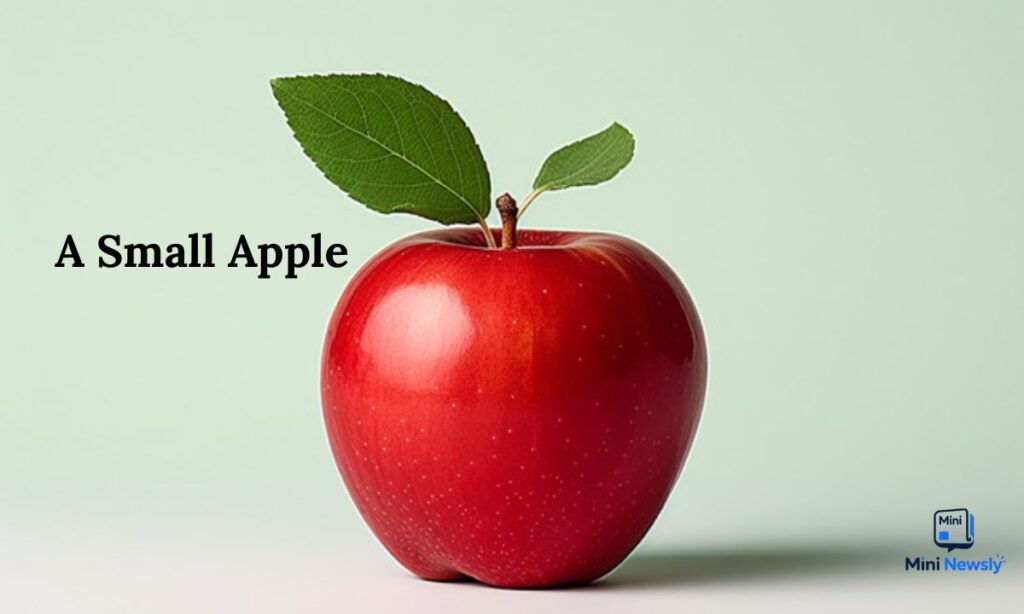
A snack-size or mini apple often weighs close to 85 to 90 grams, putting it squarely in the 3 ounce zone. These small apple varieties are sold specifically as single-serve snacks and tend to hit that weight naturally. A helpful 3 oz snack example for anyone tracking portion sizes.
Hold one in your hand and you get an immediate feel for what 3 ounces looks like. The weight is light but present, a perfect real-world anchor for this measurement. Great for teaching kids or anyone new to measuring food weight.
A Travel-Size Shampoo Bottle
Travel shampoo bottles are designed to fit TSA rules, which cap liquids at 3.4 ounces (100 ml). A bottle filled to 3 ounces sits just under that limit and gives you a near-perfect 3 oz to ml comparison. These small bottles weigh roughly 88 ml worth of liquid, or about 3 fluid ounces.
This is one of the clearest 3 oz in ml examples because the bottle is literally labeled for it. Perfect for understanding 3 ounces in ml in a totally practical, real-life context. One of the best common household items for a liquid weight reference.
A Standard Chocolate Bar
Many mid-size chocolate bars sold at checkout counters weigh around 85 to 90 grams, or right at 3 ounces. Brands like a standard Hershey bar or similar snack bars are often packaged close to this weight for portion control. A sweet and familiar 3 oz weight example that is easy to visualize.
Next time you pick one up at the store, check the label. If it says 85 grams, you are holding almost exactly 3 ounces of chocolate. Tasty proof that 3 oz is not as mysterious as it sounds.
A Small Avocado
Mini avocados, often sold as single-serve portions, can weigh close to 3 ounces without the pit. The exact weight depends on ripeness and water content, but small varieties tend to land in this range. A useful 3 oz food portion example for anyone on a nutrition plan.
Since avocados are dense with healthy fats, even a small one packs real nutrition into that 3 oz size. It is a great portion size guide for anyone managing fat intake or following a balanced meal planning approach. Practical and specific, exactly what you need for kitchen measurement reference.
A Handful of Almonds
About 20 to 23 whole almonds weigh close to 3 ounces, depending on size. Almonds are dense, so even a modest handful hits the 85-gram mark pretty quickly. This is one of the most popular 3 oz snack references used in nutrition planning.
A small sandwich bag filled with almonds to that level gives you a ready-to-go 3 oz portion. It is a fast, reliable way to estimate food weight without any tools. Perfect for healthy serving sizes when you are on the go.
A Small Onion
Small pearl onions or compact cooking onions often weigh right around 3 ounces depending on variety. A single small onion that fits entirely in your closed fist is usually in the 80 to 90 gram range. Handy kitchen weight measurement reference for anyone cooking without a scale.
When a recipe calls for one small onion, you are already working with roughly 3 oz of ingredients. This makes it easier to measure ingredients by sight when you know your reference points. Another solid entry in the list of foods that weigh 3 ounces
How to Measure 3 Ounces in the Kitchen
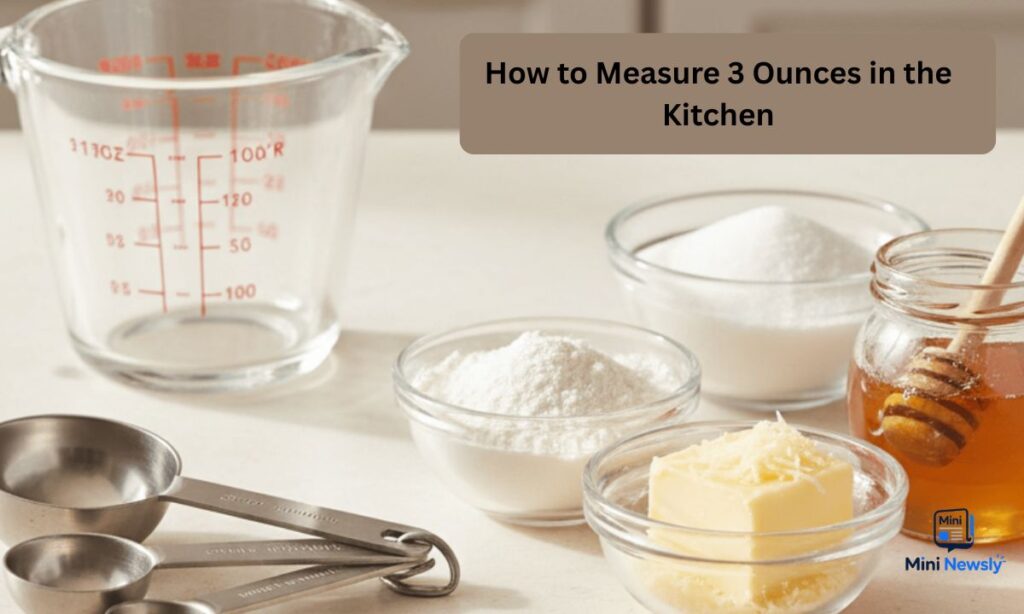
The most accurate way is a kitchen scale set to grams. Place your food, zero it out, and stop at 85 grams. No scale? Use measuring cups for liquids. 3 ounces equals about 6 tablespoons or roughly 3/8 of a cup. For solids, the palm trick works well. A cooked portion of meat or fish that fills your open palm is usually right at 3 oz.
Another method is using reference objects from this list. If your chicken breast looks like a deck of cards, you are close. If your nuts fill a shot glass, that is also close to 3 ounces depending on the nut type. Measuring without a scale is possible when you know your anchors well.
Why Knowing the Weight of 3 Ounces Matters for Portion Control
Portion control is one of the top reasons people look up 3 oz measurements. A 3 oz serving of meat hits the sweet spot for protein without overdoing calories, delivering about 21 to 26 grams of protein depending on the cut. Knowing this keeps your healthy meal portions accurate without obsessing over a scale at every meal.
Most people underestimate how much they eat, and most protein portions served in restaurants are 2 to 3 times larger than 3 ounces. Learning what 3 oz looks like helps you eyeball portions confidently and make smarter choices. It is one of the simplest portion control tips that actually works in real life.
3 Ounces in Cooking: Perfect Portion Sizes for Healthier Meals
In most nutrition guidelines, 3 ounces is the recommended serving for cooked protein including chicken, fish, and turkey. A 3 oz fish portion like salmon provides omega-3s, protein, and healthy fats in one compact serving. A 3 oz turkey serving after Thanksgiving? That is one modest slice, not the heaping plate most people take.
Using 3 oz portions in meal prep also makes tracking calories easier since you are working with consistent, standard sizes. Pair your 3 oz steak with vegetables and a grain and you have a balanced, filling plate without going overboard. This is exactly how professional meal planners and registered dietitians build healthy serving sizes into daily routines.
Is 3 Ounces Equivalent to 1/4 Cup?
No, and this is a common mistake worth clearing up. 3 fluid ounces equals 3/8 of a cup, not 1/4 cup. One quarter cup is only 2 fluid ounces, and half a cup is 4 fluid ounces.
So when a recipe calls for 3 oz of liquid, measure out 6 tablespoons or just under half a cup. This matters most when baking, where precision changes results. Always check your cooking measurements carefully when converting between cups and ounces.
Everyday Situations Where 3 Ounces Appears
You run into 3 ounces more often than you realize in daily life. TSA liquid limits are 3.4 oz, which is why your travel bottles are sized around 3 ounces. Most protein bar and snack pack servings are portioned close to 3 oz for calorie consistency.
Food labels on deli meats, cheeses, and canned fish commonly list 3 oz as the serving size. Cooking guides for healthy eating almost always reference 3 oz of protein per meal. Once you know this weight, you start spotting it everywhere from your grocery store to your gym bag.
Converting 3 Ounces to Grams, Cups, and Tablespoons
Here is a quick weight conversion chart for 3 ounces:
- 3 ounces in grams: 85 grams
- 3 oz in ml: approximately 88.7 ml
- 3 ounces to cups: 3/8 cup (about 0.375 cup) for liquids
- 3 ounces to tablespoons: 6 tablespoons for liquids
- 3 ounces in pounds: approximately 0.1875 pounds
- 3 ounces in kilograms: approximately 0.085 kilograms
These conversions cover both imperial measurement and metric conversion systems, so you are covered whether your recipe is from the US or anywhere else in the world.
Visual Tricks to Estimate Small Weights Quickly
The palm rule is the most used weight estimation trick in cooking without tools. A palm-sized portion of cooked meat or fish is roughly 3 ounces for most adults. Your hand is always with you, making it the most portable measuring food weight tool you own.
Other tricks include using a standard deck of cards as a size guide, since its 3 oz weight and flat shape closely mirror a portion of meat. A golf ball is about 1.6 oz, so two golf balls stacked gives you a rough 3 oz object weight comparison for round foods. These visual weight comparisons work best when you practice them a few times with an actual scale first to calibrate your eye.
Is 3 Tablespoons 3 Ounces?
No. Tablespoons measure volume, not weight, so these are different units entirely. For water and thin liquids, 3 fluid ounces equals 6 tablespoons, not 3. For dense or dry ingredients like sugar or flour, 3 ounces by weight will be a different volume than 6 tablespoons.
This confusion trips people up constantly in baking and kitchen measurement. Always clarify whether a recipe means fluid ounces or weight ounces before measuring. When in doubt, weigh it on a scale for accuracy. 3 ounces in grams is always 85 grams, regardless of what you are measuring.
Common Foods That Are Close to 3 Ounces
Here is a quick list of foods that weigh 3 ounces you will commonly see in grocery stores and diet plans:
- 3 oz chicken breast (cooked, boneless)
- 3 oz canned tuna (one small standard can)
- 3 oz salmon fillet (about the size of a checkbook)
- 3 oz ground beef patty (small burger patty)
- 3 oz slice of cheese (roughly 3 standard slices)
- 3 oz Greek yogurt portion (just under half a small cup)
- 3 oz deli turkey (about 3 thin slices)
These common weight measurements in food make 3 ounces one of the most practical numbers to know for nutrition guide reference and healthy eating.
Mistakes People Make When Estimating Small Weight
The biggest mistake is treating volume and weight as the same thing. 3 oz of olive oil and 3 oz of flour take up very different amounts of space even though they weigh the same. This mix-up causes the most errors in kitchen weight measurements and baking results.
Another mistake is eyeballing portions without any reference point and calling it 3 oz when it is actually double. Restaurant portions are typically 6 to 9 ounces of protein, which can look like a normal 3 oz serving when you have not calibrated your eye. Practice with a kitchen scale a few times to get your visual anchors right before ditching it entirely.
Conclusion
3 ounces is 85 grams, 6 tablespoons of liquid, and 3/8 of a cup. Not 1/4 cup. Got it? Good. It shows up in your kitchen, your travel bag, your grocery list, and your hand every single day. Once you know what 3 oz feels like, you stop second-guessing yourself whether you are cooking a 3 oz steak, packing toiletries, or managing portion sizes.
Use the 17 examples in this guide as your mental rolodex. Two eggs. A deck of cards. A bar of soap. A handful of almonds. Pick two or three that stick with you and your weight estimation game is instantly sharper. 3 ounces is one of those measurements that sounds small until you realize how often it matters. Now you are ready for it.

Welcome to mininewsly.com, your trusted source for grammar tips and text meanings. I have over 4 years of experience in the grammar and text meaning niche. My goal is to provide clear, accurate, and easy-to-understand content for every reader. Thank you for visiting, and I hope my articles help you learn with confidence.